Charles Smith - George Cross Medal
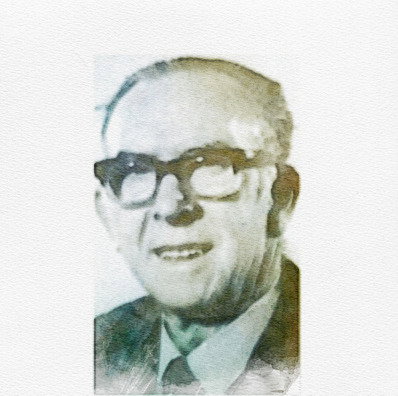
For many people in Wigan, the name Charles Smith will mean little today. Yet this former Ince miner was one of the most highly decorated working-class heroes to emerge from the Wigan coalfield. His courage underground saved lives, earned him the Edward Medal for gallantry, and more than thirty years later led to the award of the prestigious George Cross, Britain's highest civilian decoration for bravery.
An Ince Lad
Charles Smith was born at 12, Pennington Lane in Ince on 17th December 1908, the son of William Smith, a coal miner, and his wife Rachel.
He grew up in the close-knit mining community of Ince and was educated at St William's Roman Catholic School. Like many boys from mining families, Charles entered the pits at a young age.
By 1921, aged just thirteen, he had begun work in the coal industry. Mining was hard, dangerous work, but it provided employment for thousands of families across the Wigan area.
In 1933, he married Louisa Turner, and the couple would go on to have a son and a daughter.
Heroism at Askern Main Colliery
By 1940, Charles was working at Askern Main Colliery in Yorkshire. On 3rd January 1940, disaster struck when an underground incident placed fellow miners in grave danger.
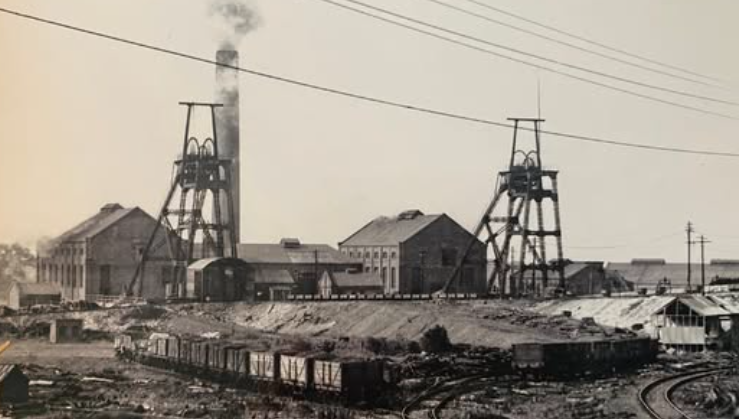
Askern Main Colliery
Displaying exceptional courage and complete disregard for his own safety, Charles repeatedly entered hazardous conditions in an attempt to rescue trapped men. His actions were recognised as being far beyond the normal call of duty.
For his bravery he was awarded the Edward Medal for Bravery (Mining), one of the highest awards then available for civilian courage in industry.
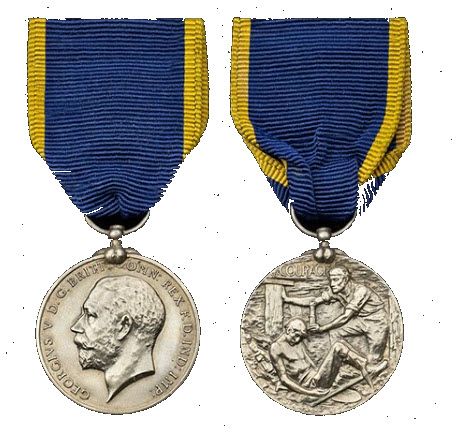
He was also recognised by the Carnegie Hero Trust Fund, which honoured acts of outstanding heroism throughout Britain.
On 2nd July 1940 Charles travelled to Buckingham Palace, where King George VI personally presented him with his medal.
At a time when Britain was fighting for survival in the early months of the Second World War, stories such as Charles Smith's provided powerful examples of selflessness and courage.
Service in the Second World War
Soon after his rescue work at Askern, Charles joined the armed forces. He served in the Royal Artillery from 1940 until 1945 and reached the rank of Sergeant.
His wartime service took him to Burma, one of the most demanding theatres of the war. British and Commonwealth troops fought in difficult jungle conditions against Japanese forces, enduring extreme heat, disease, and challenging terrain.
For his military service, Charles received the 1939–45 Star, the Burma Star, the Defence Medal and the War Medal.
The George Cross
The most remarkable chapter in Charles Smith's story came more than thirty years after his original act of bravery.
In 1971, the George Cross Committee reviewed a number of awards made before the creation of the George Cross in 1940. Charles Smith's actions at Askern Main Colliery were considered so exceptional that it was decided his earlier gallantry award should be upgraded.
As a result, Charles was awarded the George Cross, the highest decoration for civilian bravery in the United Kingdom and the civilian equivalent of the Victoria Cross.
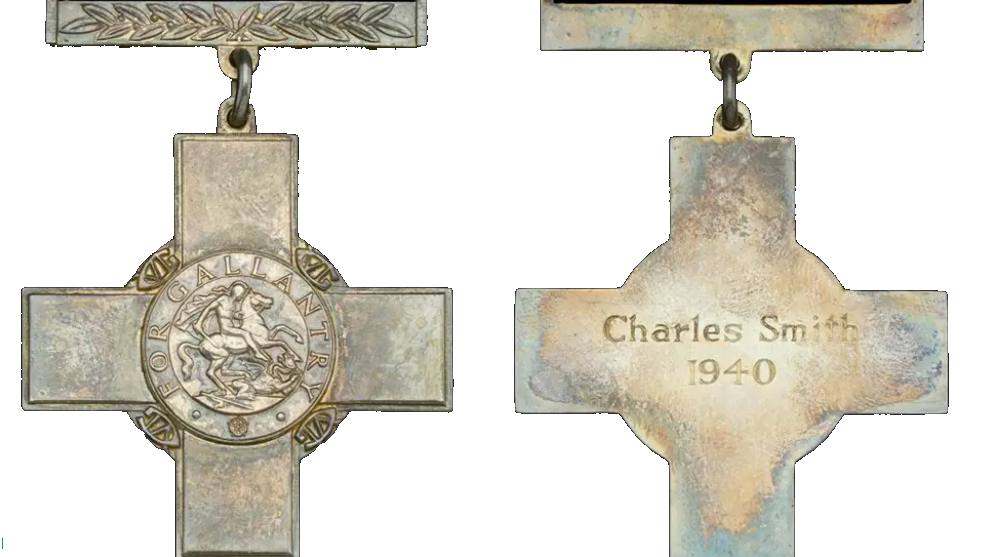
The George Cross is reserved for acts of the greatest heroism or of the most conspicuous courage in circumstances of extreme danger. Recipients form a very small and distinguished group whose actions represent the highest ideals of courage and sacrifice.
On 18th July 1972, Charles attended Buckingham Palace once again, this time receiving the George Cross from Queen Elizabeth II.
For a former pit lad from Ince, it was a remarkable journey from the coal seams of Wigan to the highest levels of national recognition.
Later Life
After the war, Charles settled in the North East of England. From 1945 until 1961, he worked as a surface worker at Stargate Colliery near Ryton, County Durham. He later spent twelve years employed in the coking industry at Derwenthaugh before retiring in 1973.
He was also awarded the Silver Jubilee Medal in 1977 during the celebrations marking the twenty-fifth anniversary of Queen Elizabeth II's reign.
Charles Smith died on 25 October 1987 at Blaydon in Tyne and Wear. He was cremated at Mountsett Crematorium, and his ashes were later interred in Blaydon Cemetery.
A Wigan Hero Worth Remembering
Wigan has produced many notable figures, but Charles Smith's story deserves special recognition. Born and raised in Ince, educated at St William's School, and shaped by the coal industry that defined much of Wigan's history, he embodied the courage and solidarity for which mining communities became renowned.
His actions underground in January 1940 demonstrated the unwritten code that existed among miners: when disaster struck, men risked their own lives to save their mates.
Today, more than eighty years later, Charles Smith GC stands as one of Wigan's most decorated heroes. His story is a reminder of the dangers faced daily by generations of miners and of the extraordinary bravery that could emerge in the darkest moments beneath the earth.
For the people of Wigan, Charles Smith's life is not just a story of medals and honours; it is a story of courage, duty and sacrifice rooted firmly in the mining communities that helped build the town.
Michael Nelson 2026
Post script
A George Cross (originally an Edward Medal) awarded to mineworker Charles Smith,l for his gallantry in rescuing a trapped miner at Askern Main Colliery, Yorkshire on 3rd Jan 1940, fetched a hammer price of £12,000 in an auction at Noonans Mayfair on Wed, May 14th 2025. City of Doncaster Council has been able to purchase the medal through a private donation.