John Leyland: Historian and Benefactor of Hindley
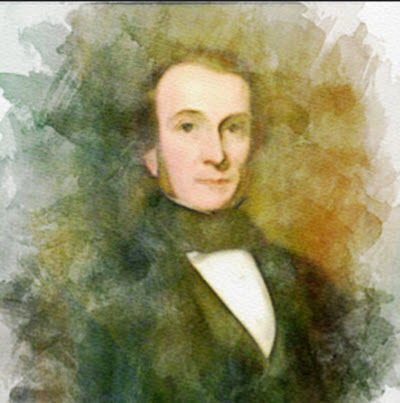
John Leyland was one of Victorian Hindley’s most important local historians and benefactors. A fustian manufacturer, antiquarian and magistrate, he devoted much of his later life to preserving the history of Hindley and Abram. After his death, his estate also provided the town with its public library, museum and recreation ground.
The Leyland family
John Leyland was born in 1813 at his mother’s family home in Mill Street, Hindley. In 1832 he moved to Cheetham House, later known as The Grange.
The Leylands had longstanding connections with Ashton-in-Makerfield, Abram and Hindley. An earlier John Leyland moved from Ashton to Abram in 1717. His descendants later became established in Hindley.
In 1779, John Leyland’s grandfather—also named John—and his father, William Leyland, moved to Hindley. They became fustian manufacturers and served as trustees of the Presbyterian chapel.
Fustian was a hard-wearing cloth, usually woven from cotton or a mixture of cotton and linen, and was widely manufactured in Lancashire before the great expansion of mechanised cotton spinning.
William Leyland, John’s father, lived from 1773 until 1830. His death left the young John with responsibilities for the family business and estate. Leyland’s surviving letters show that he was still at school when his father became seriously ill.
The Grange
In 1832 John moved into Cheetham House, an established Hindley residence, which he renamed The Grange. It remained his home for the rest of his life.
The house became closely associated with Leyland’s historical and antiquarian work. Here he assembled books, manuscripts, family papers, deeds and copies of correspondence. A photograph taken in 1872 shows him standing outside the house.
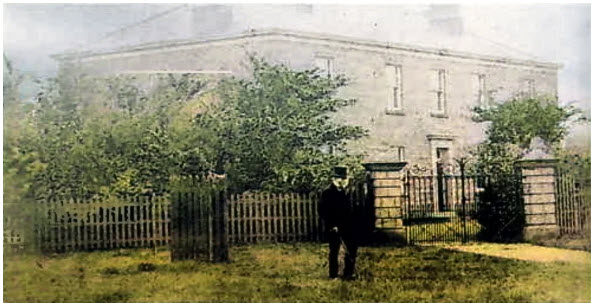
Leyland never married and died without children. His attachment to Hindley, however, was expressed through his public service, his historical writing and the instructions he left concerning his estate.
Banking career in Liverpool
From Leyland’s correspondence in Memorials of Hindley, he spent a substantial part of his early adult life living and working in Liverpool.
In 1837 he described himself as likely to be “stationed” there for several years, and he and his mother established a home at 36 Ashton Street.
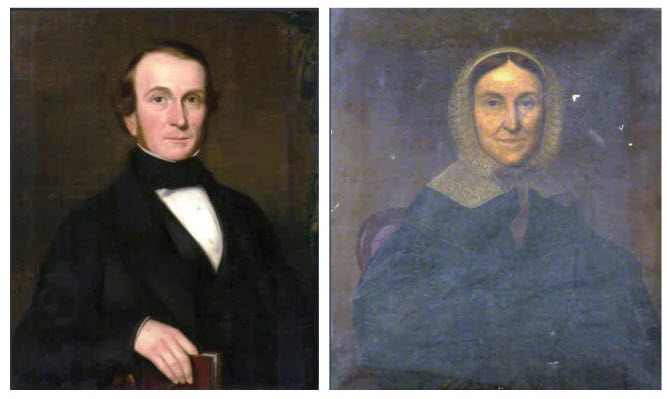
Portrait of John and his mother Catherine.
Wigan Arts & Heritage Services
His correspondence reveals that he was employed as an officer of a Liverpool bank, dealing with such matters as bills of exchange and the bank’s holdings of gold and silver. The work could be demanding, and Leyland frequently complained that his office duties left little time for reading or correspondence.
He remained closely attached to Hindley and visited Cheetham House whenever his duties permitted. By 1851 he had returned to live there, although he spent another short period in Liverpool in 1852, when he lodged at 19 Hope Place.
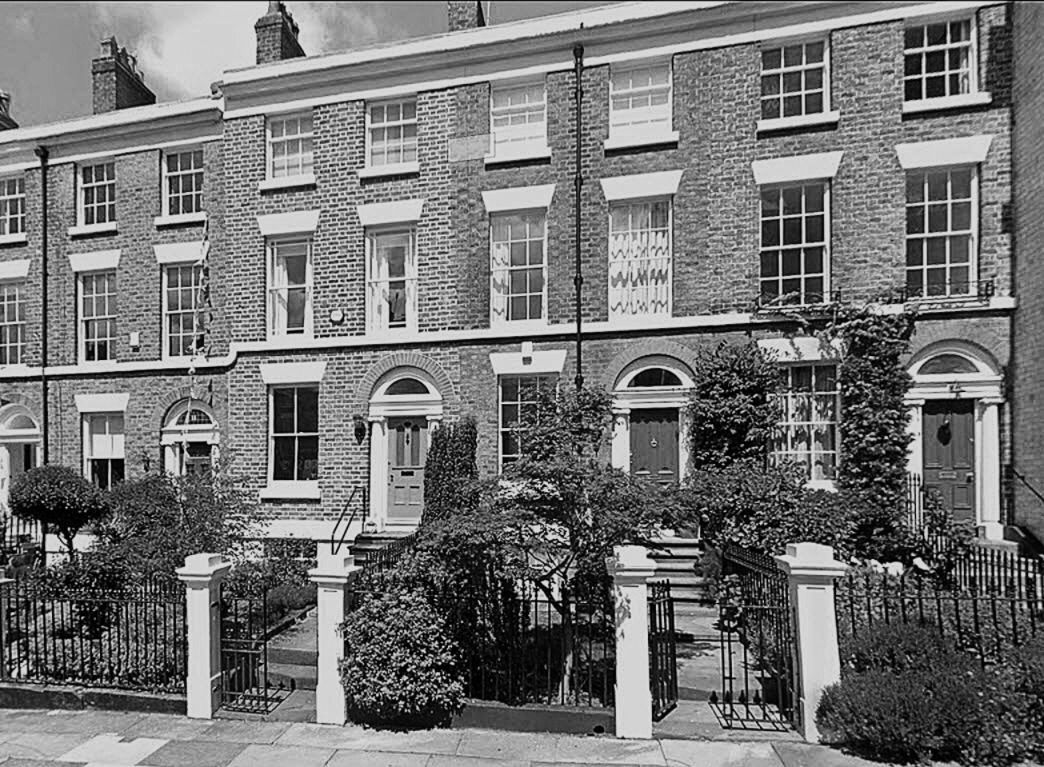 Hope Place
His banking career gave him direct experience of the commercial life of Victorian Liverpool while helping to develop the administrative and financial abilities he later applied to his affairs in Hindley.
Manufacturer and public figure
Leyland continued the family’s involvement in textile manufacturing and became a figure of standing within the district. He was appointed a justice of the peace and received a grant of arms in 1863.
He was also closely involved with Hindley and Abram Grammar School. As a governor, he took an interest in the school’s management and future development. The school was later among the local institutions to benefit from the disposal of his estate.
Although a private and scholarly man, Leyland was far from detached from the life of the township. His letters record business affairs, local events, religious observance, travel, illness and friendships. Together they provide a revealing picture of the social world of a prosperous nineteenth-century Hindley family.
Memorials of Hindley
Leyland’s most important historical work was Memorials of Hindley, compiled at The Grange and published privately in 1873–74.
He modestly explained that the book was not intended to be a complete history. Instead, he had collected facts and dates concerning his native township over many years and wished to prevent them from being lost:
“These Memorials are not put forth as a History of Hindley.”
Despite this disclaimer, the book became one of the principal early sources for the history of the township. It contains accounts of local churches and chapels, extracts from churchwardens’ records, descriptions of older buildings, recollections of residents and information about local families and institutions.
Leyland recorded the histories of All Saints’ Church, St Peter’s Church, St Benedict’s Roman Catholic Church and Hindley’s numerous Presbyterian, Independent, Wesleyan, Primitive Methodist and Baptist chapels. Much of the information he preserved might otherwise have disappeared as buildings were demolished and older inhabitants passed away.
The work also includes a substantial selection of Leyland’s correspondence. He had preserved copies of his letters from an early age and used a release from some of his official duties in 1870 to examine and arrange them.
Although the letters were edited and sometimes shortened before publication, they remain valuable evidence of everyday life between the 1830s and 1870s. They show Leyland discussing family matters, business, religious questions, journeys, social gatherings and local personalities. One letter records his recovery from cholera, while others describe periods spent in Liverpool and his continued connections with friends beyond Hindley.
Memorials of Abram
Leyland’s interest extended beyond Hindley to Abram, where earlier generations of his family had lived. In 1881 he published Memorials of Abram, another privately printed local history.
To prepare the book, he obtained permission to examine the documents kept in Abram’s Town’s Chest. The township’s governing body allowed him to take the papers to The Grange, enabling him to make extensive notes and transcripts.
Leyland also examined deeds relating to Abram Hall, Bamfurlong Hall and Bickershaw Hall. The resulting work included information about the township’s old families, estates, St John’s Church, charities, accounts and even historic doctors’ bills.
He understood that no local history could be final. In the preface he acknowledged that future discoveries might fill gaps and correct errors. This careful and open-minded approach makes his work particularly valuable.
The Victoria County History later drew extensively upon Leyland’s accounts of both Hindley and Abram.
Roger Lowe’s diary
Among Leyland’s manuscripts was the seventeenth-century diary of Roger Lowe, a young shopkeeper from Ashton-in-Makerfield. The document had passed through several generations of the Leyland family.
Recognising its historical importance, Leyland arranged for the difficult manuscript to be transcribed and allowed extracts to appear in the Manchester Courier from 1876. He subsequently published material from it under the title Extracts from a Lancashire Diary, 1663–1678.
Leyland’s decision to preserve and share the diary ensured the survival of a remarkable account of life in seventeenth-century Lancashire. The original manuscript is now held by Wigan Archives under reference D/DZ A58.
Death and bequest
John Leyland died in 1883 without issue. His friend and principal legatee was Nathaniel Eckersley, the Wigan industrialist, banker, former mayor and Member of Parliament.
Leyland had intended that part of his wealth should be used for the lasting benefit of Hindley. Eckersley carried out that intention through three principal projects:
- improvements to Hindley and Abram Grammar School;
- the construction of the Leyland Free Library and Museum;
- the creation of a public park and recreation ground on part of The Grange estate.
Leyland Free Library and Museum
The Leyland Free Library and Museum was erected in Market Street during the mid-1880s. It was designed by the Manchester architects Thomas Worthington and John Gibbons Elgood, with John Preston of Wigan acting as builder.
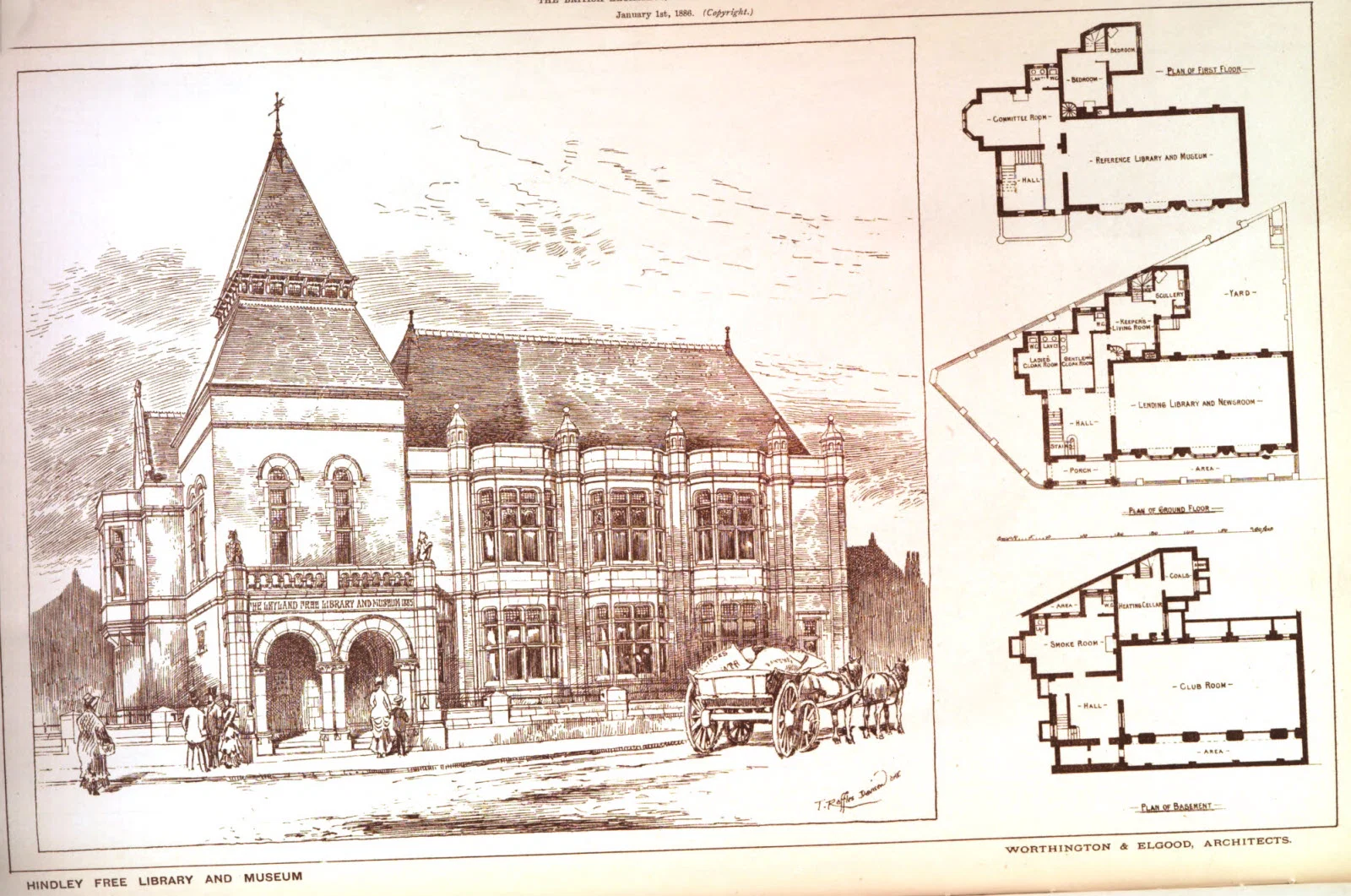
Image from British Architect - 1886
Designed in the Free Elizabethan style, the building contained a lending library, news room, reference library, museum and lecture room. Its basement was planned as a working men’s club with a billiard room and smoke room.
Nathaniel Eckersley furnished the reading room, provided an initial collection of books and promised an annual contribution towards further purchases. When the building was nearing completion in 1887, he offered it to Hindley Local Board.
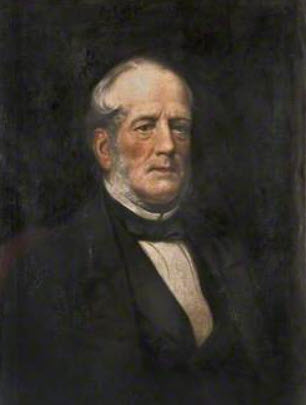 Nathaniel Eckersley
The building survives on Market Street and is now Grade II listed—a permanent architectural reminder of Leyland’s generosity and Eckersley’s fulfilment of his wishes. Link
Leyland Park
The recreation ground created on The Grange estate was equally ambitious. It included walks, plantations, an ornamental lake, a bowling green, gymnastic equipment, football posts and grounds suitable for cricket and lawn tennis.
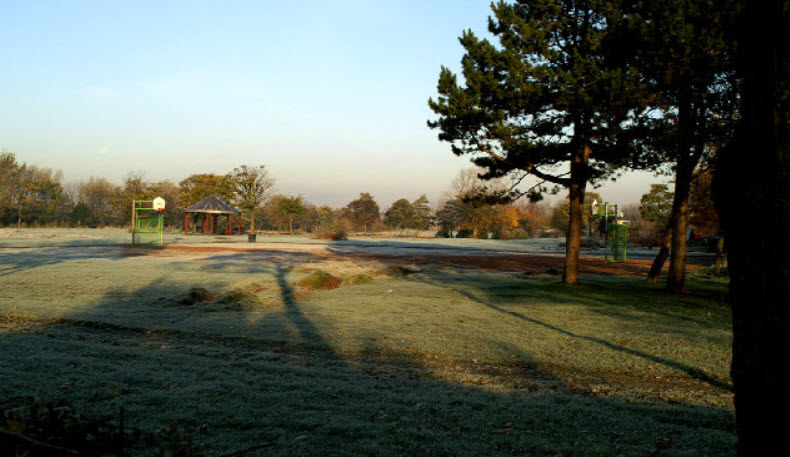
Layland Park - Rev. David Long
In offering the park to Hindley Local Board, Eckersley expressed the hope that the library, museum and recreation grounds would prove “a lasting benefit to the inhabitants of Hindley.” Wigan Archives
That hope was realised. Leyland Park became an important public space for generations of Hindley residents.
Hindley & Abram Grammar School
Leyland took a close interest in Hindley and Abram Grammar School. In 1852 he was appointed to a new body of trustees established after the school had been without effective governance for several years.
The trustees secured the school’s property, introduced a new governing scheme and replaced the dilapidated Lowe Green schoolhouse with a new school and master’s residence on Park Road.
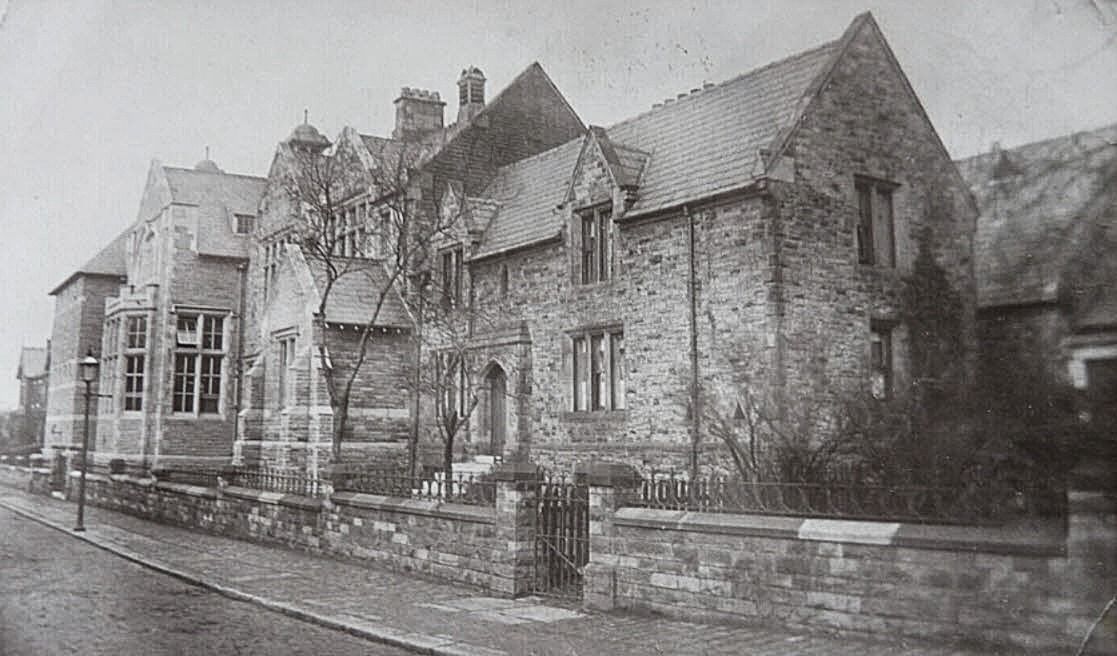
Grammar School
The building opened in March 1856, and in 1861 the trustees formally adopted the name Hindley and Abram Grammar School.
John Leyland’s legacy
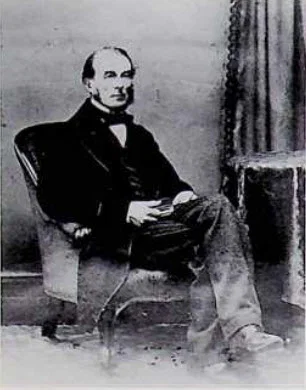
John Leyland’s contribution to Hindley operated in two complementary ways. As a historian, he preserved the township’s past. As a benefactor, he helped provide for its future.
His books remain essential starting points for research into Hindley and Abram. They record buildings, institutions, customs, families and documentary evidence that might otherwise have been forgotten. His preservation of Roger Lowe’s diary also gave later historians access to an exceptional account of seventeenth-century Lancashire life.
The library and park bearing his name carried his legacy into the everyday life of the town. They provided opportunities for reading, education, recreation and community activity long after his death.
John Leyland did not simply write about Hindley. Through his scholarship, collections and bequest, he helped Hindley to remember and understand itself.
Gordon Dewar 2026
Sources
Memorials of Hindley & Abram -Link
John Leyland, Extracts from a Lancashire Diary, 1663–1678, Manchester, 1876.
Wigan Observer, 16 April 1887
A History of the County of Lancaster, Volume IV -1911.
Wigan Building Preservation Trust.