"Kitty Beawt Yed" – The Headless Ghost of Ince Hall
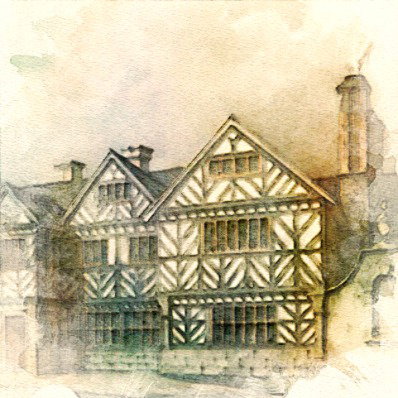
For generations of children growing up in Ince, few stories were more terrifying than that of Kitty Beawt Yed—the headless ghost said to wander around old Ince Hall. Parents and grandparents passed the tale from one generation to the next, ensuring that no child wanted to venture near the Hall after dark.
The name "Kitty Beawt Yed" comes from the Lancashire dialect meaning "Kitty Without a Head." Although the ghost was known simply as Kitty in local tradition, the story behind her haunting is rooted in one of the oldest legends connected with Ince Hall—the mysterious tale of the Dead Hand.
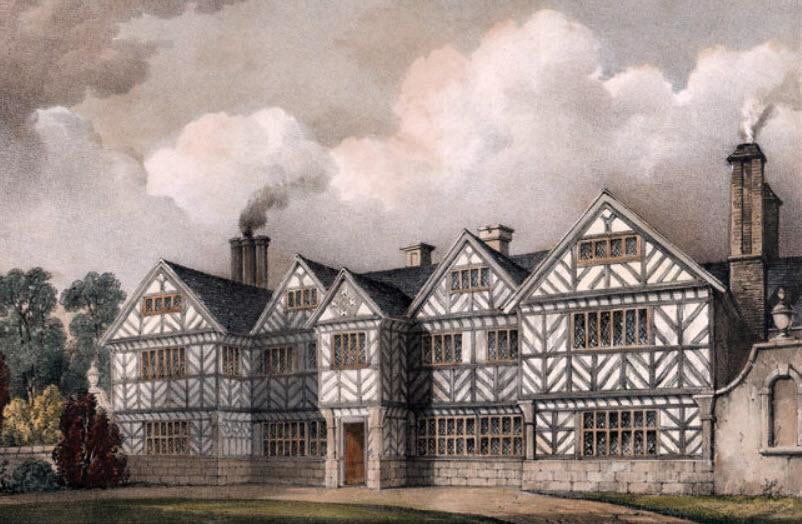
Ince Hall
According to the legend, one of the early owners of Ince Hall lay dying before he had made his will. A lawyer was summoned, but by the time he arrived the man was already dead. Faced with the prospect of losing the legal business, those present decided upon an extraordinary course of action.
An assistant hurried to Bryn Hall to fetch the famous Dead Hand, believed to be the preserved hand of Saint Edmund Arrowsmith, the Catholic martyr executed in 1628.
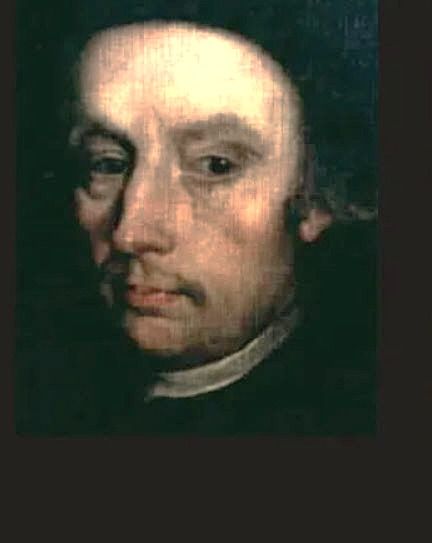
Edmund Arrowsmith
The hand had acquired a remarkable reputation throughout Lancashire for possessing miraculous healing powers, and many believed that it could restore life, even if only for a few moments.
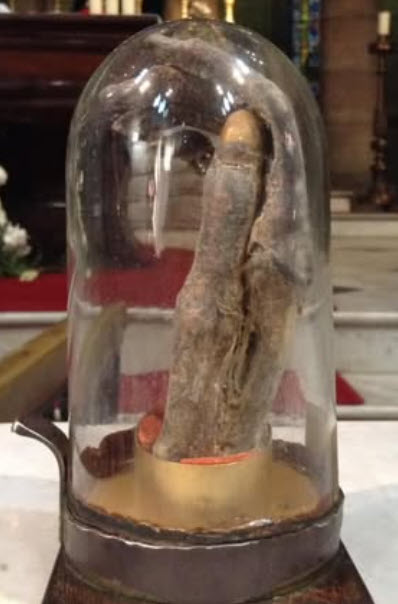
When the holy relic was rubbed upon the dead man's body, it was claimed that he revived just long enough to sign his will before dying once more.
Following the funeral, however, suspicion quickly arose. The dead man's daughter produced an unsigned will which divided the estate fairly between herself and her brother. The lawyer then produced a second document, apparently signed by the deceased after the miraculous revival, leaving the entire estate to himself.
The son, convinced he had been cheated, attacked the lawyer and fled the country, never to be seen again. His sister also disappeared without explanation.
Years later, after Ince Hall had fallen into decline and stood empty, a gardener unearthed a human skull whilst digging in the grounds. It was said to be the remains of the missing daughter, murdered to conceal the lawyer's deception.
From that day onwards, the ghost of the young woman was said to haunt the Hall. Witnesses claimed to see her pale figure floating through an upper room or hovering above the place where her body had lain hidden. The dishonest lawyer himself was said to have spent the remainder of his life in Wigan, haunted everywhere by the apparition of the murdered girl, consumed by guilt and despair.
Among the people of Ince, the restless spirit became known simply as Kitty Beawt Yed. Whether or not she ever had a real name was forgotten. What survived was the image of a headless young woman wandering around the Hall, frightening anyone who dared pass after sunset.
For much of the nineteenth and twentieth centuries, the story became one of Ince's favourite ghost tales. Children walking home in the dark would challenge one another to go near the Hall, while older residents delighted in recounting stories of mysterious lights, ghostly figures at the windows and strange noises coming from the abandoned building.
Today, the tale is regarded as folklore rather than fact, combining local history, religious tradition and moral warning into a memorable Lancashire ghost story.
Yet it remains one of Ince's most enduring legends—a reminder of a time when stories told beside the fire could keep children awake long after bedtime, wondering whether Kitty Beawt Yed was still wandering the grounds of old Ince Hall.
Michael Nelson 2026