John Gibbs, the "Angel Carver"
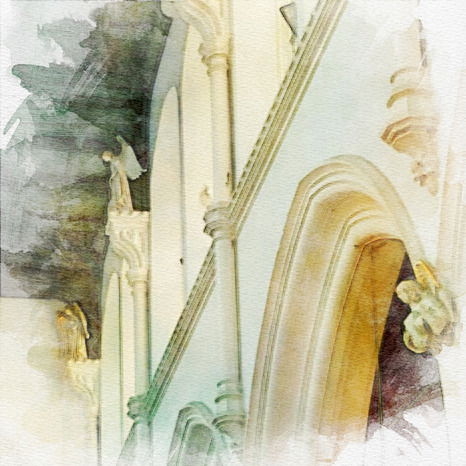
John Gibbs was born in 1827 at St Clement’s, Oxford, the son of John Gibbs, a stonemason, and his wife Alice. In 1841, at the age of just fourteen, he was apprenticed as a stonemason at the family home in High Street, St Clement’s, Oxford.
As a young craftsman, Gibbs travelled to find work, offering his services to the architect Edmund Sharpe. He spent time working on several of Sharpe’s church projects across the Midlands, most notably the Church of St Thomas in Coventry. These commissions helped establish his reputation as a skilled and imaginative stone carver working firmly within the Gothic Revival tradition.
In 1848, Gibbs moved to Wigan to work on the rebuilding of Wigan Parish Church, one of Edmund Sharpe’s commissions, although the designs were the work of his newly appointed partner, E.G Paley. Here, he was responsible for carving the angels that support the nave roof, along with other decorative stonework. These expressive and finely detailed figures became his most celebrated works.
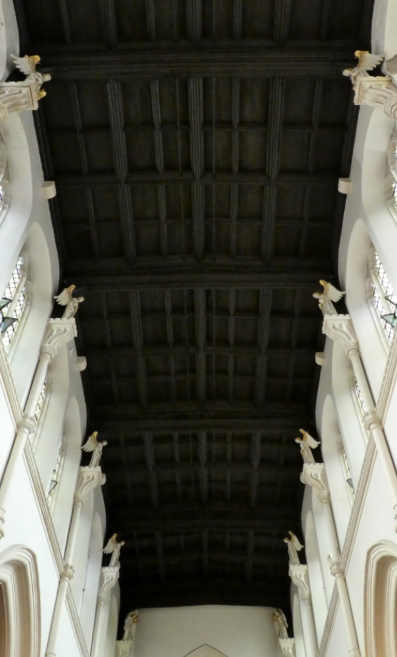
During the rebuilding programme, Gibbs developed a close professional relationship with the Hon. Colin Lindsay, fourth son of the Earl of Balcarres, who had overall responsibility for the project. The rebuilt church was consecrated in August 1850. At around the same time, Gibbs also completed a commission for St Thomas’ Church in Wallgate, extending his influence across the town.
Choosing to remain in Wigan, Gibbs established his own Marble and Stonework business in King Street in 1851. Around this period, he entered into a partnership with Charles Holt, an architect from Bolton, taking premises in Standishgate. This collaboration reflected Gibbs’s growing professional standing and his integration into Wigan’s architectural and ecclesiastical networks.
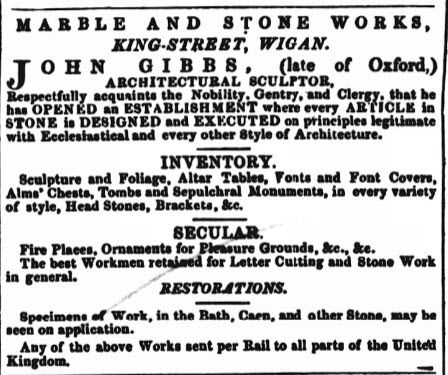 Wigan Observer Advert
The 1851 Census records John Gibbs and his brother George Frederick as visitors lodging with Mrs Wilson, a confectioner, in Market Place, Wigan. George Frederick was working as an apprentice stone carver, indicating that the craft was becoming firmly embedded within the family.
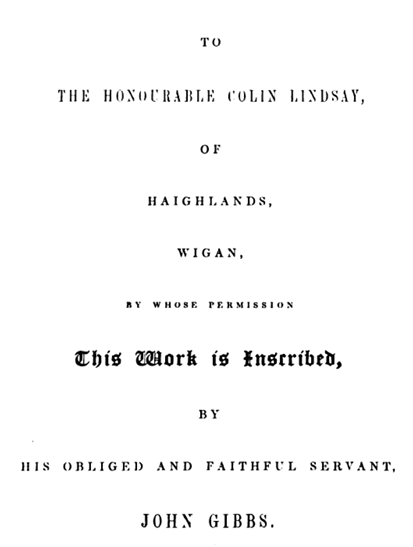
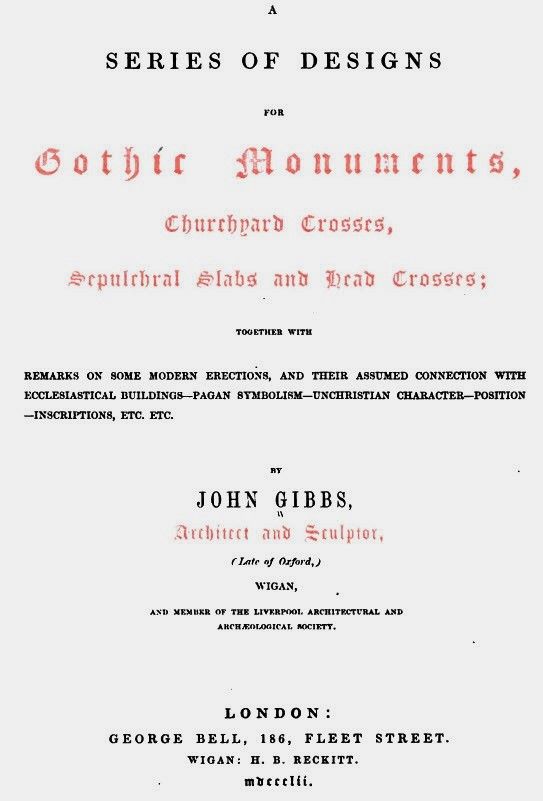
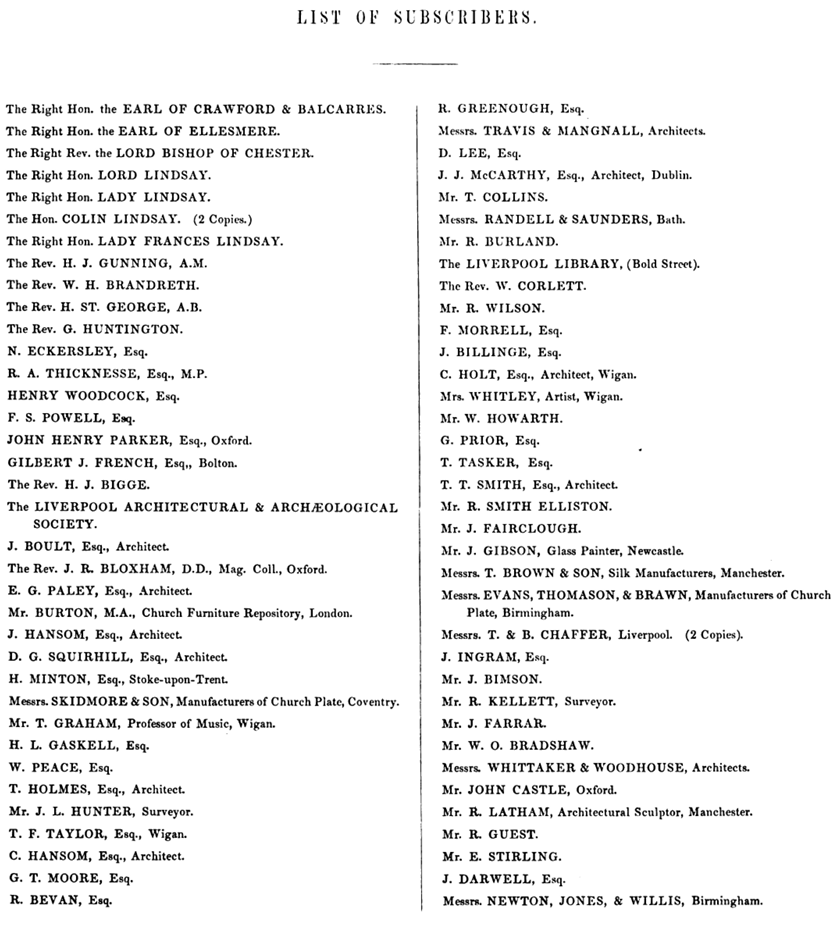
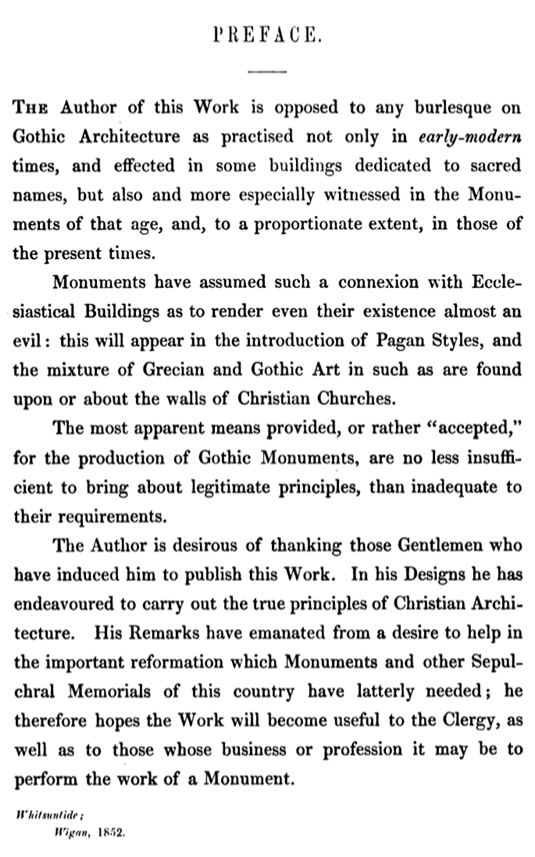
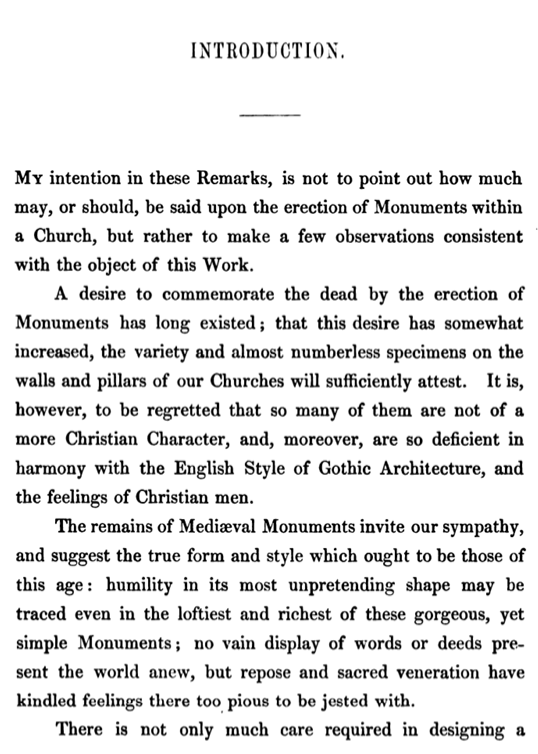
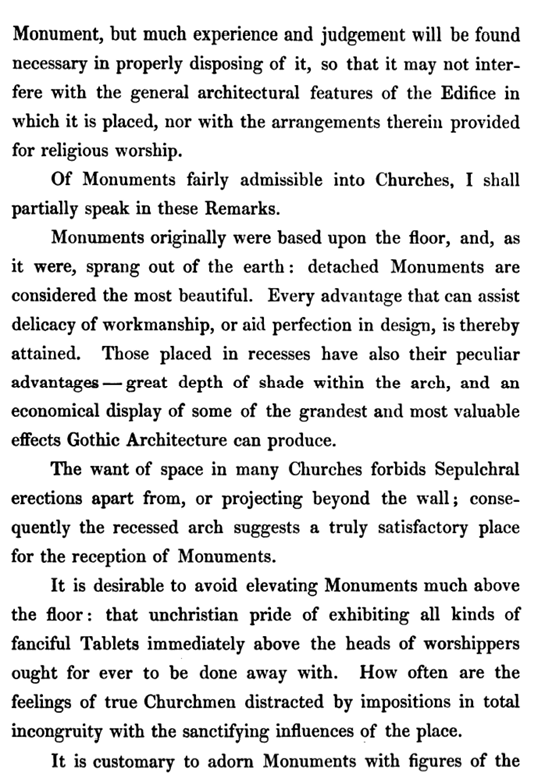
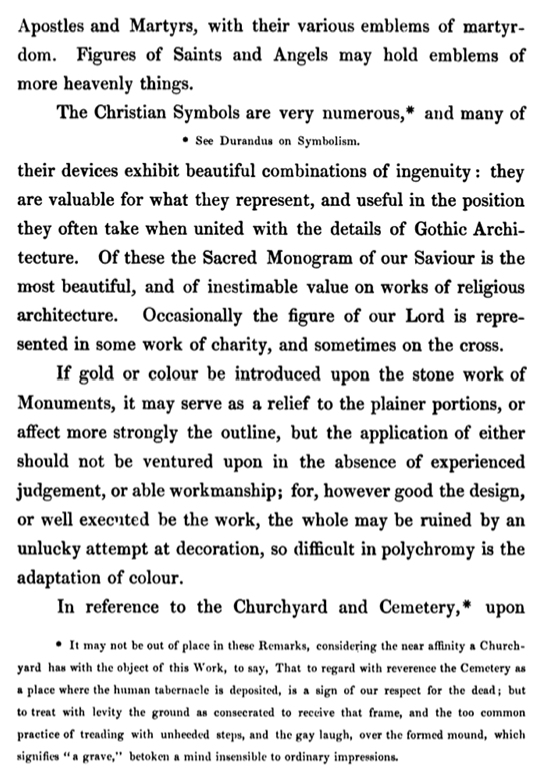
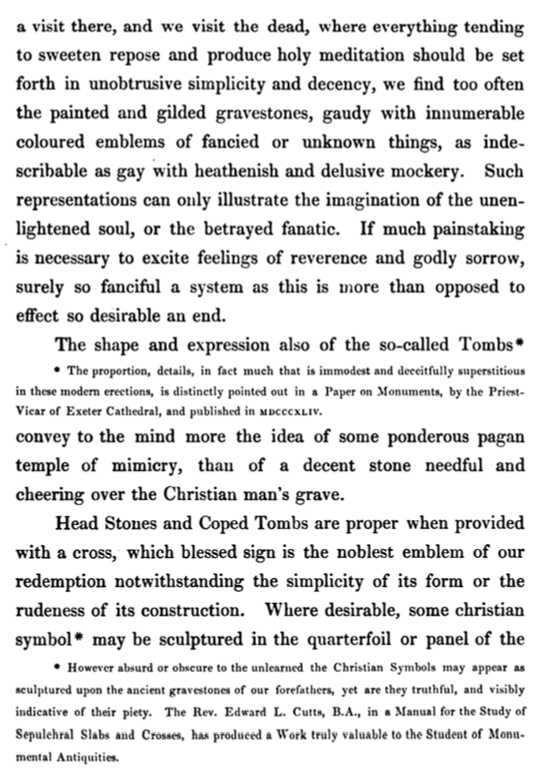
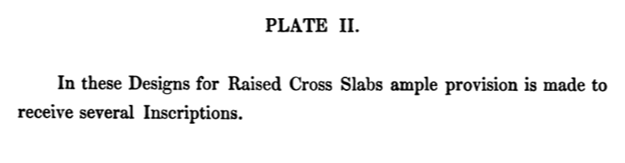
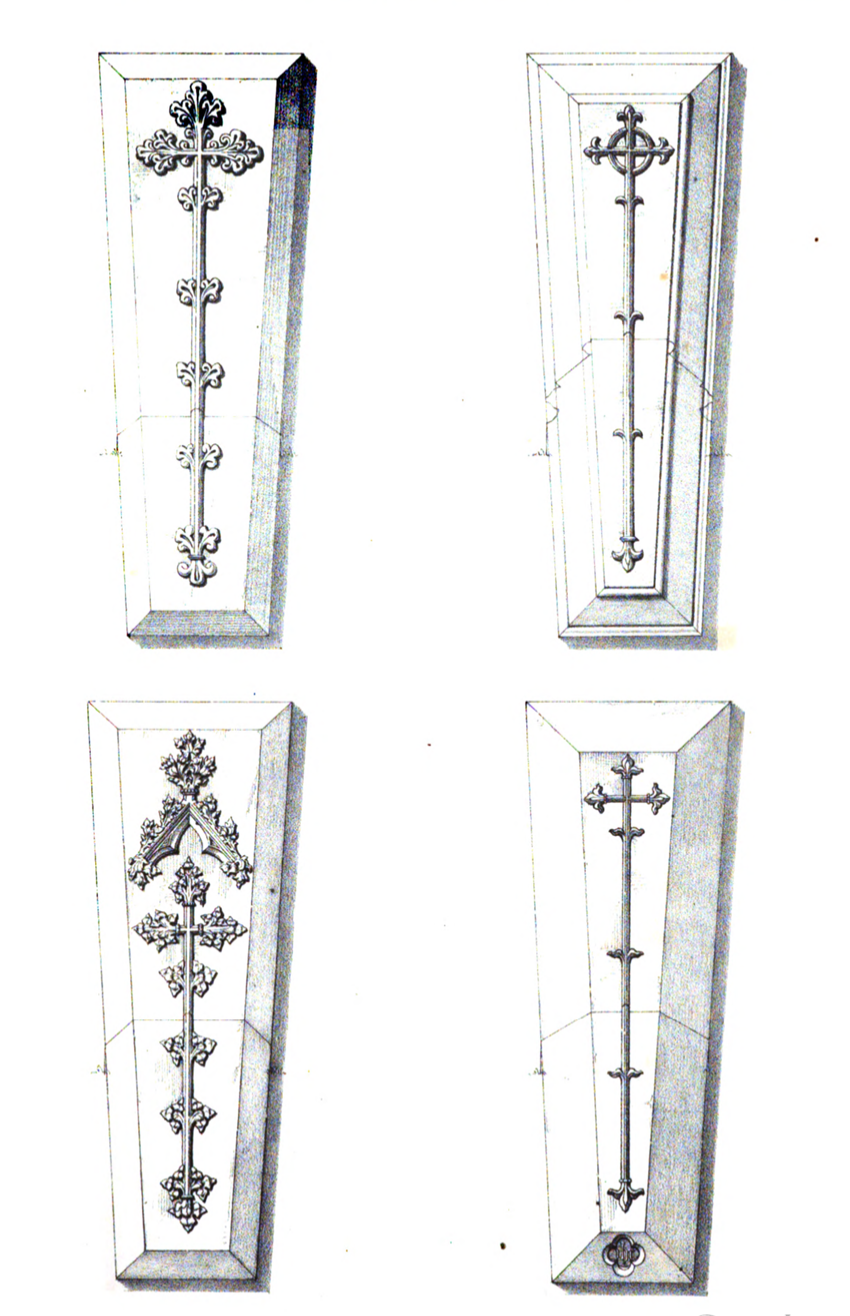
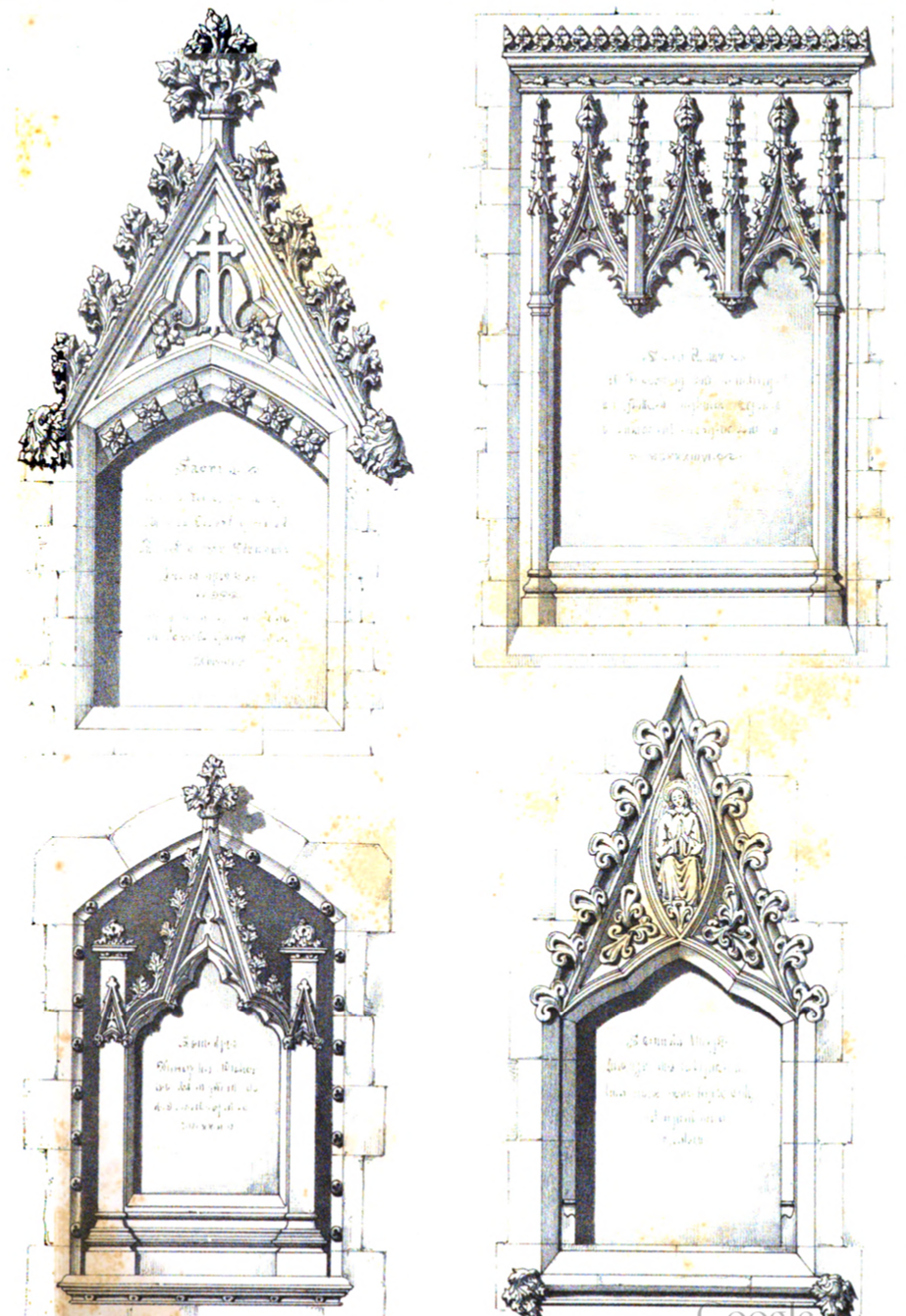
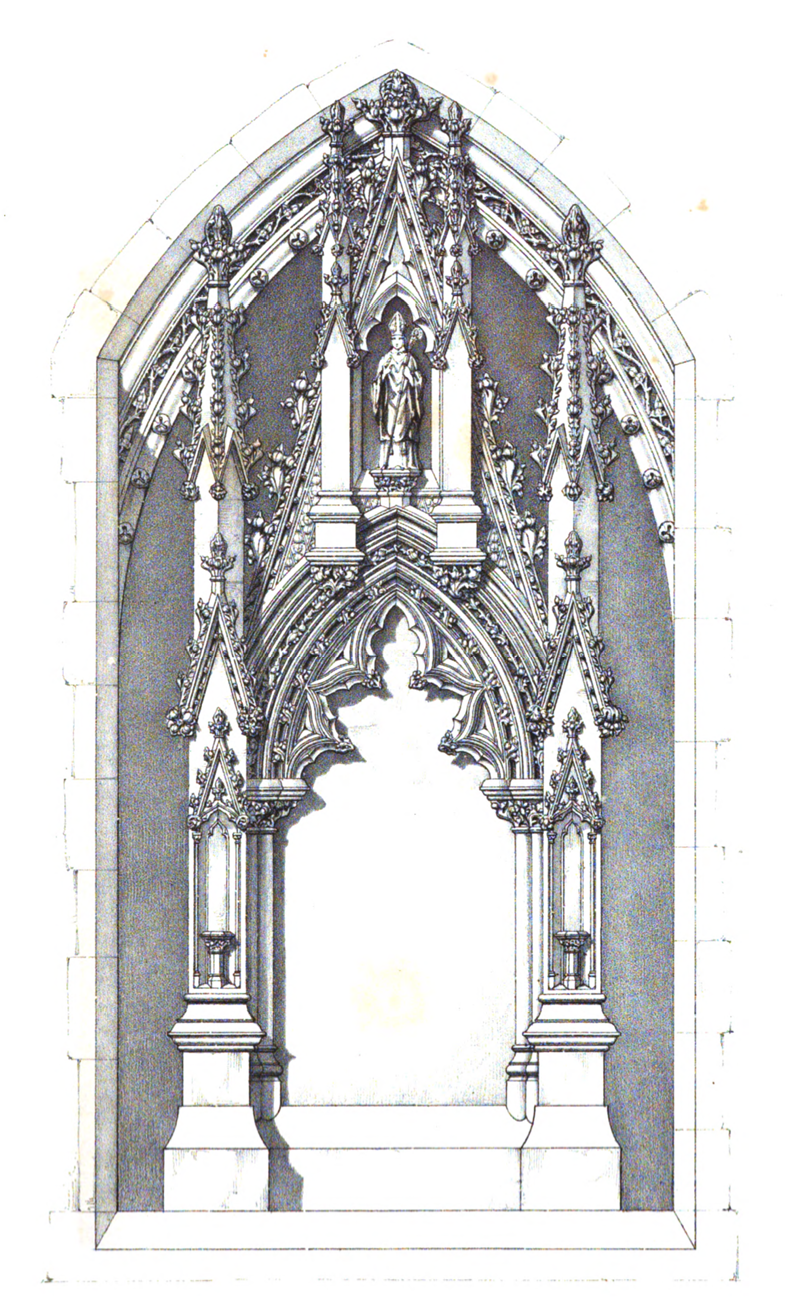
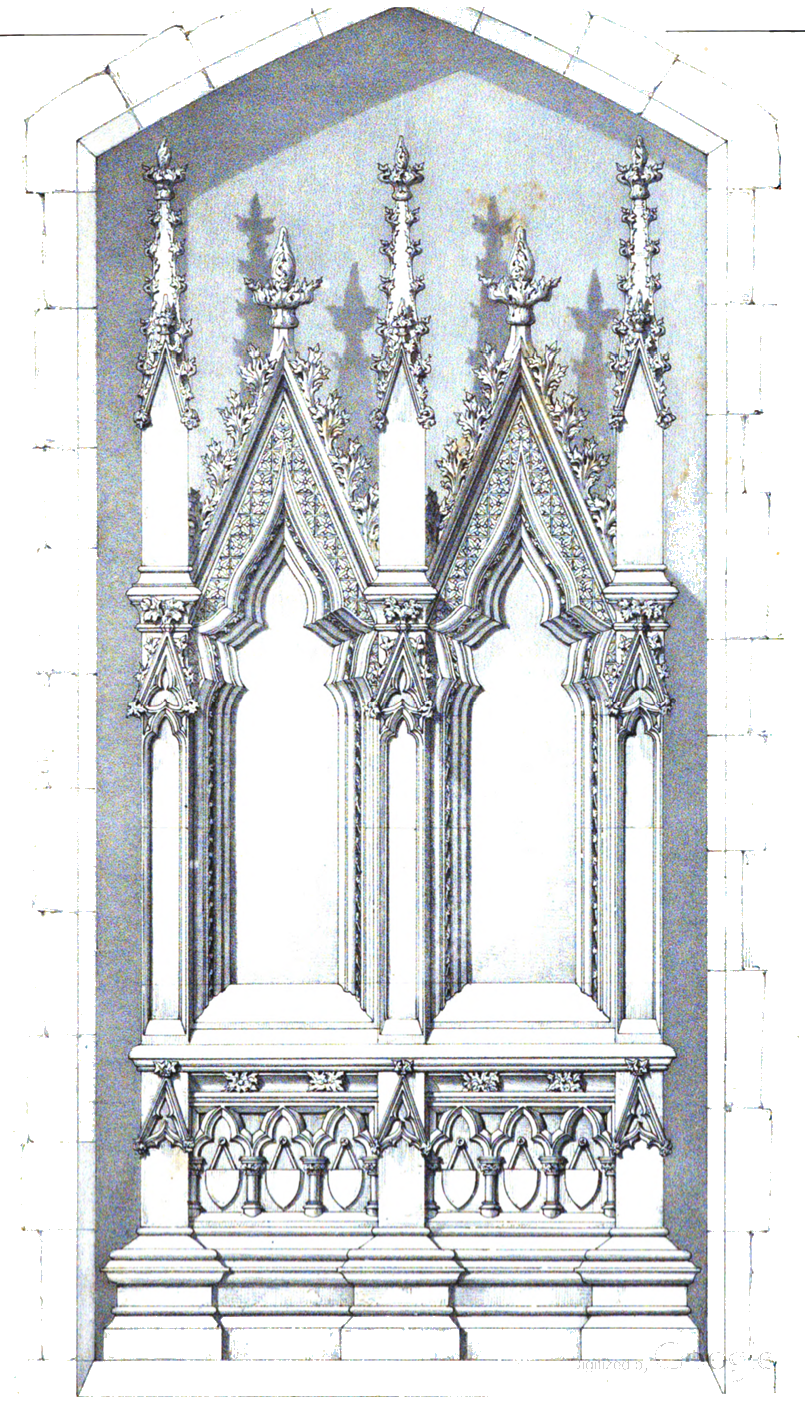
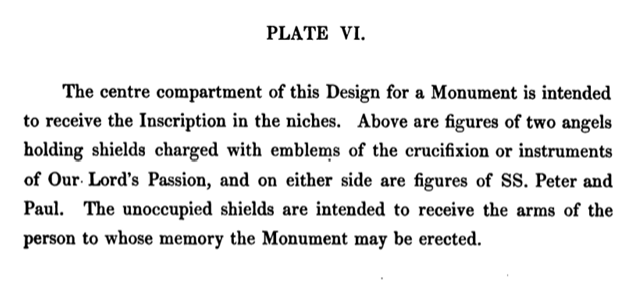
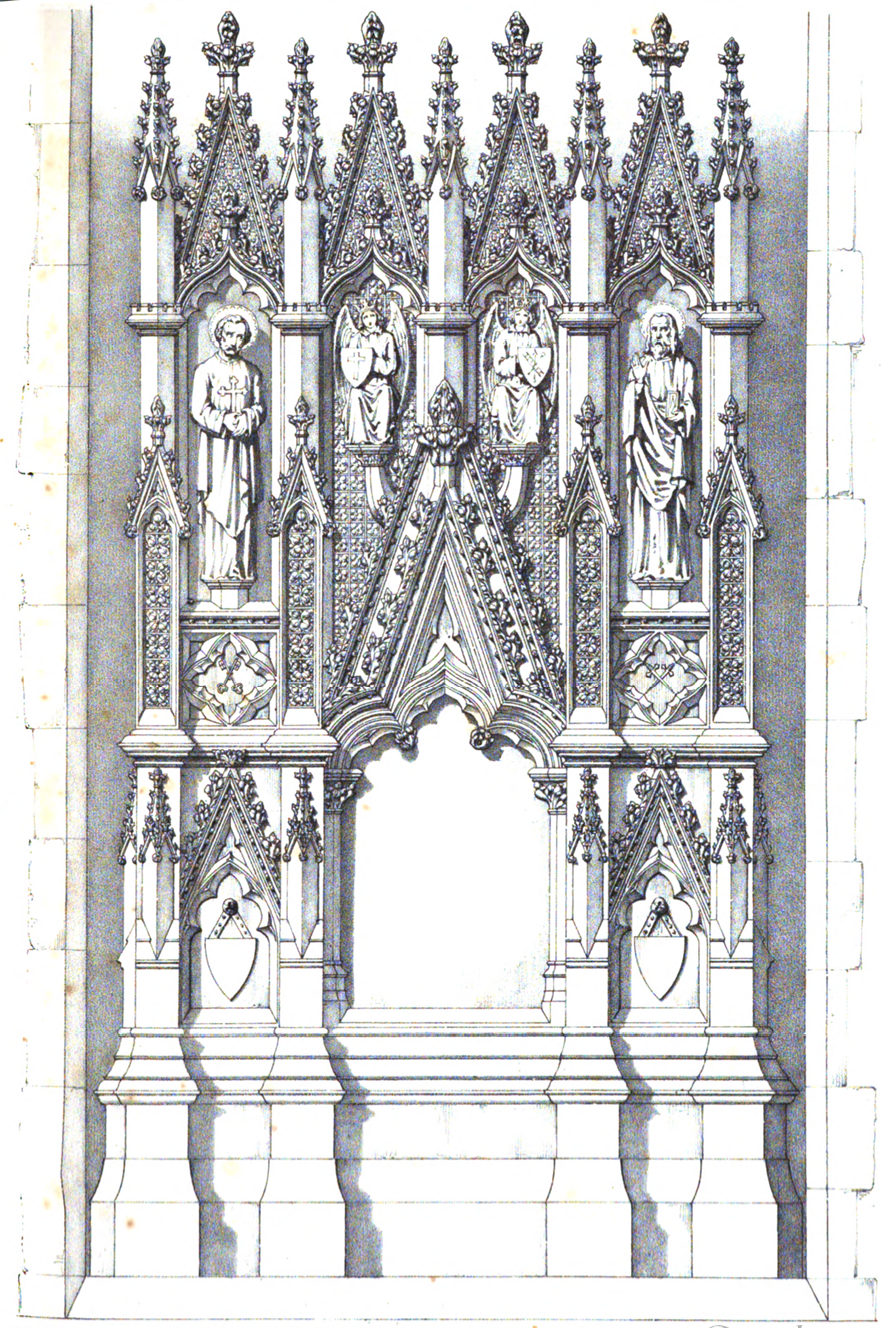
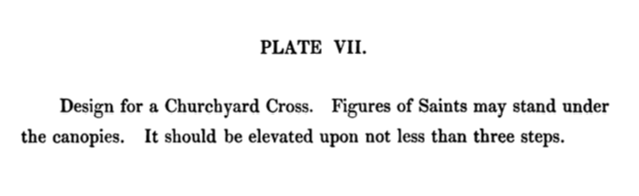
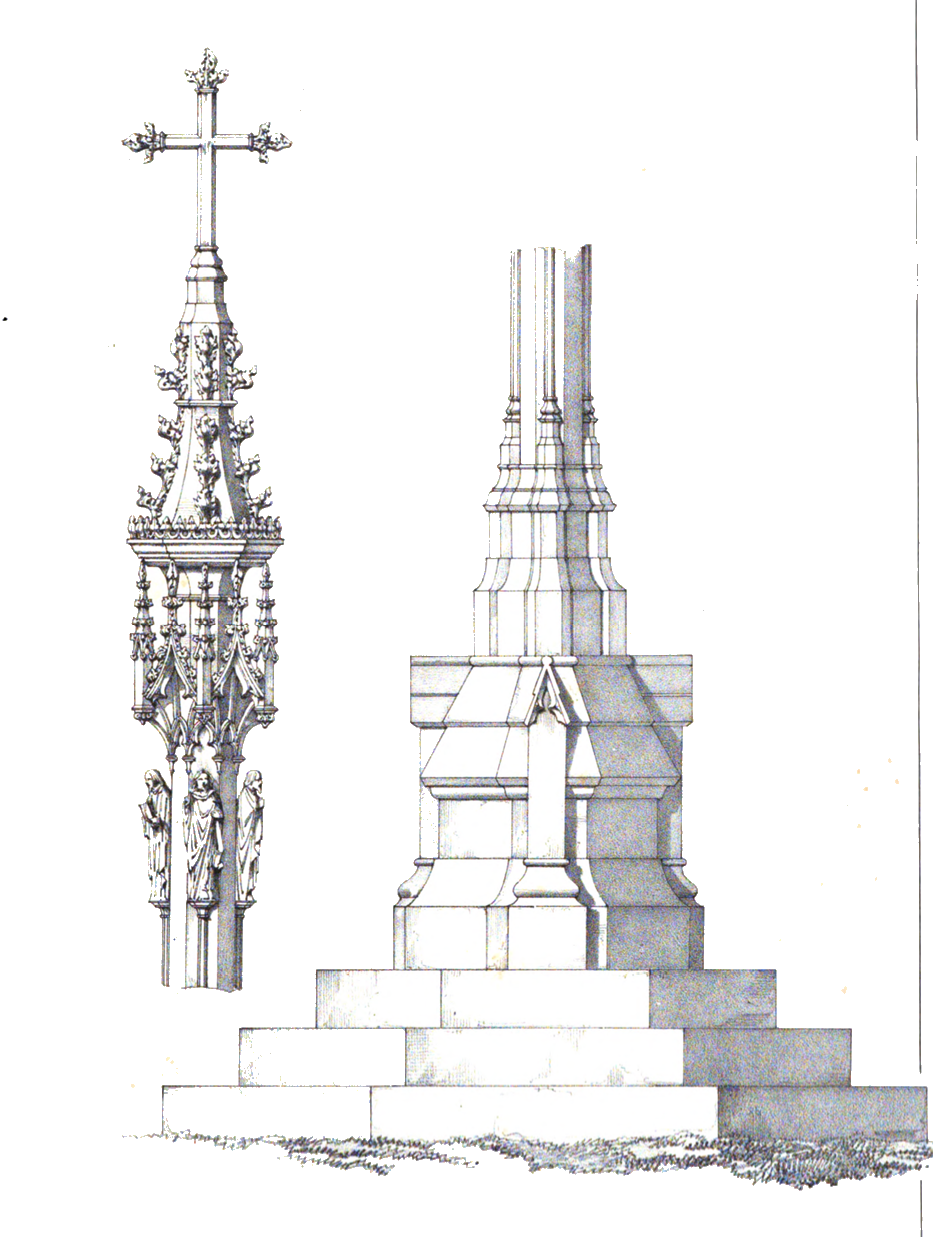
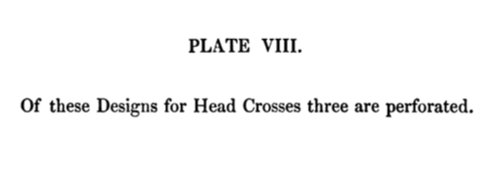
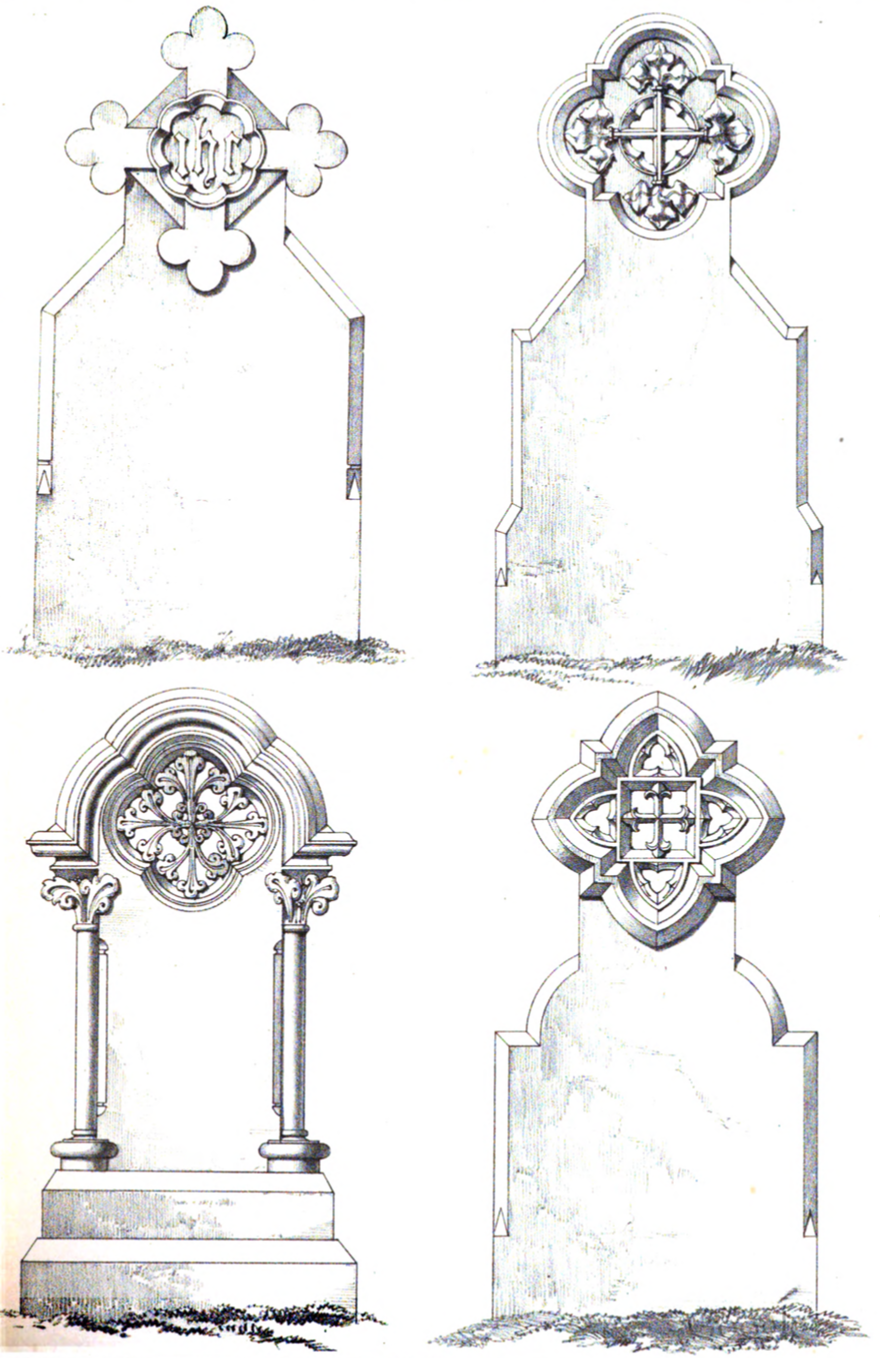
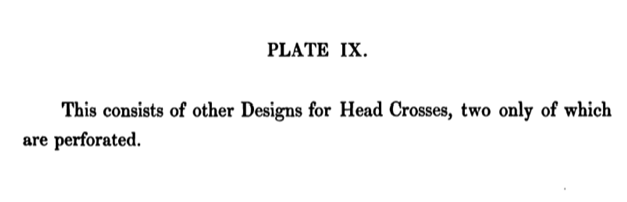
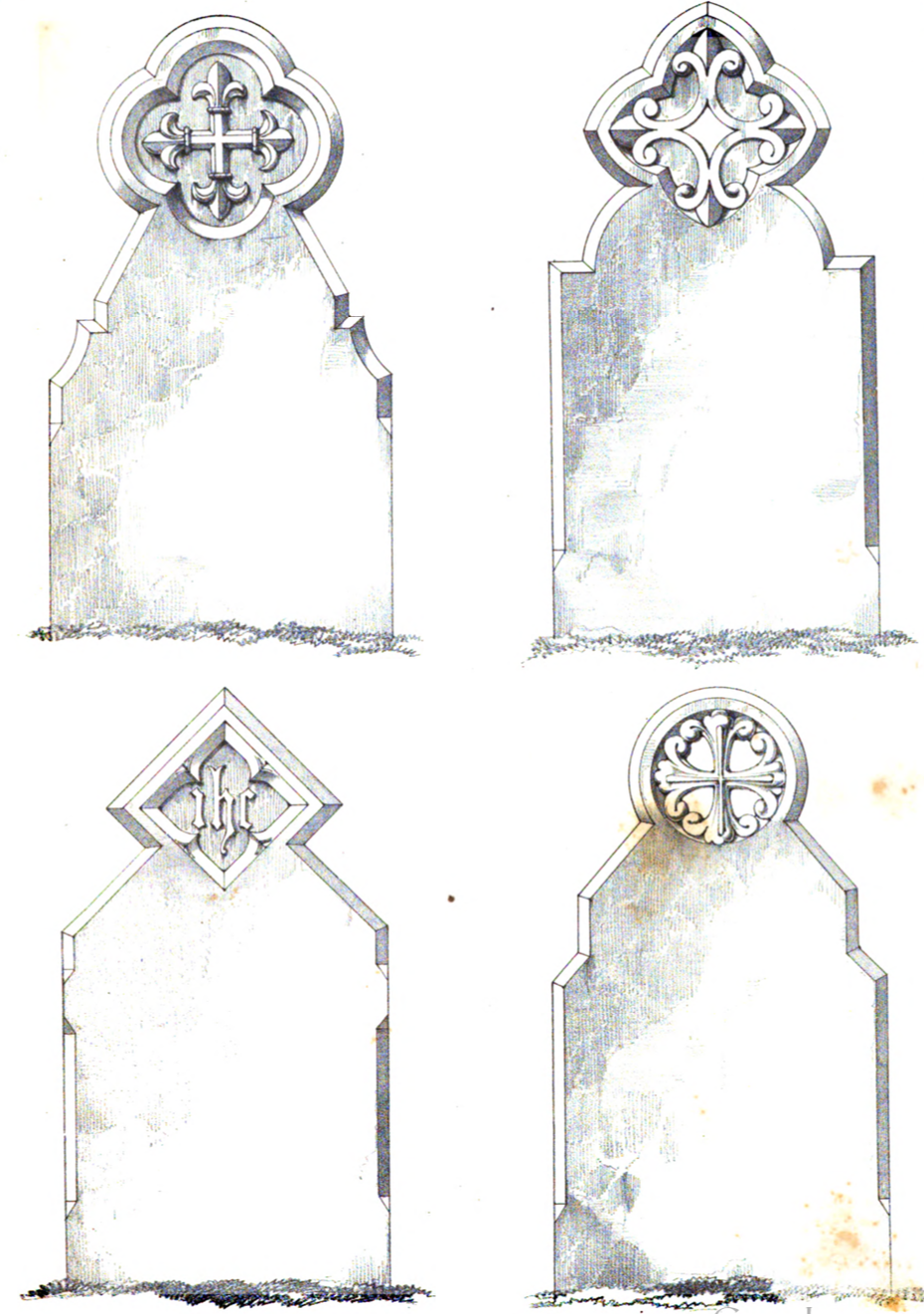
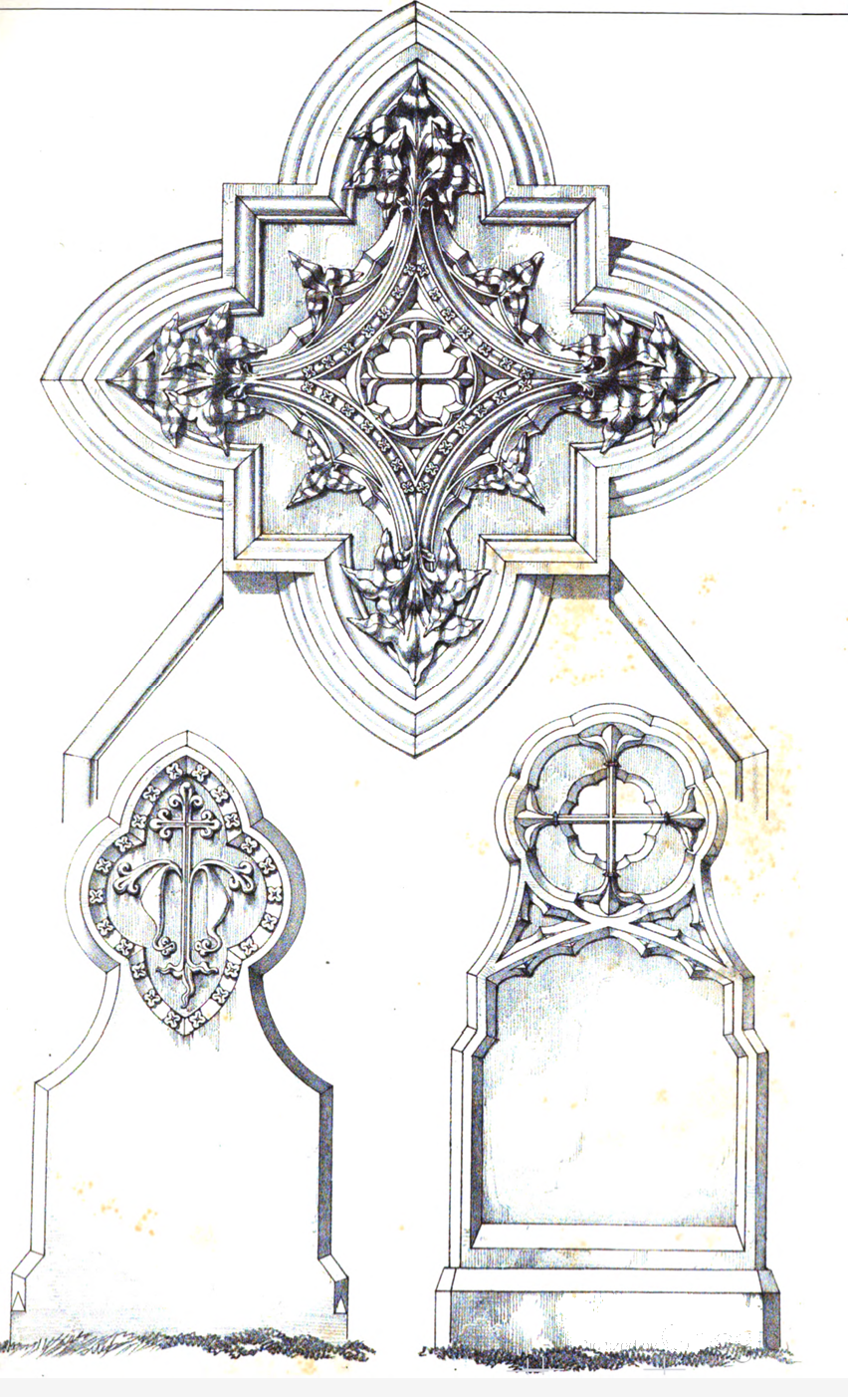
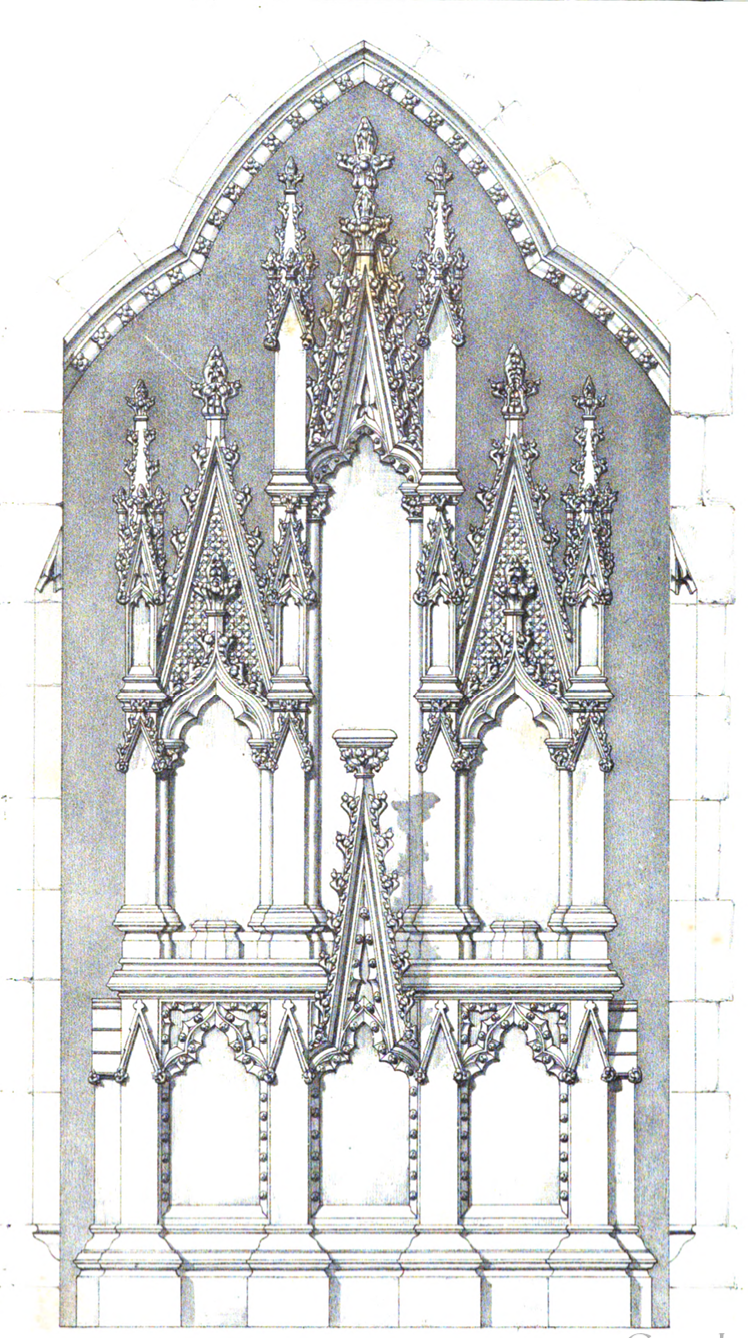
In 1852, Gibbs published A Series of Designs for Gothic Monuments, a well-received volume that demonstrated both his artistic skill and his understanding of contemporary Gothic design. The book was dedicated to the Hon. Colin Lindsay, whom Gibbs described as an “obliged and faithful servant” of Lindsay. Its subscriber list reads as a veritable who’s who of Victorian Wigan, alongside notable figures from elsewhere in the county. (see below).
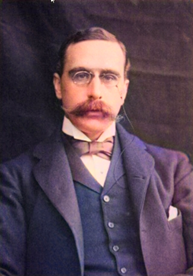 Hon. Colin Lindsay
Gibbs also became a member of the Liverpool Architectural and Archaeological Society, further underlining his professional reputation and interest in historic architecture and monument design.
The partnership with Charles Holt was dissolved in 1856. Shortly afterwards, Gibbs relocated to Peel Terrace, Longsight, Manchester, before returning to Oxford around 1857.
Although his time in Wigan was relatively brief, John Gibbs left a lasting legacy. His angel carvings in Wigan Parish Church remain a striking reminder of the skill and artistry involved in Victorian church restoration, securing his place in the town’s architectural and artistic history.
Thanks to Peter Layland for his contribution
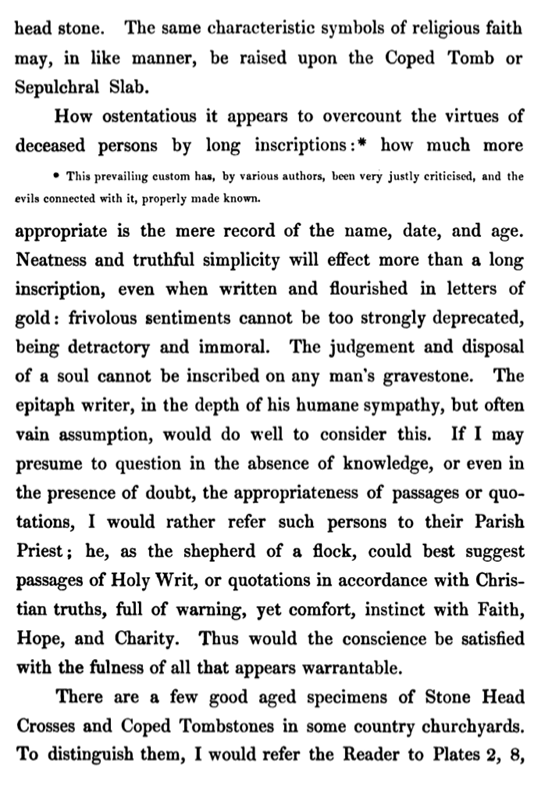
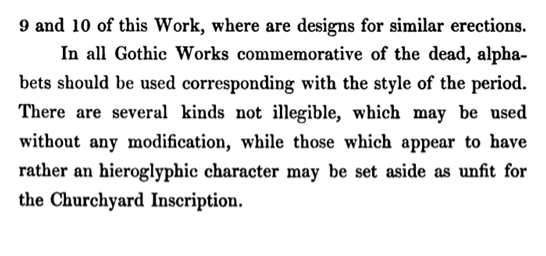
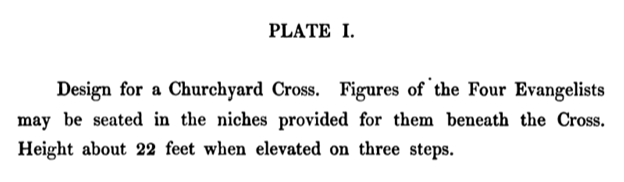
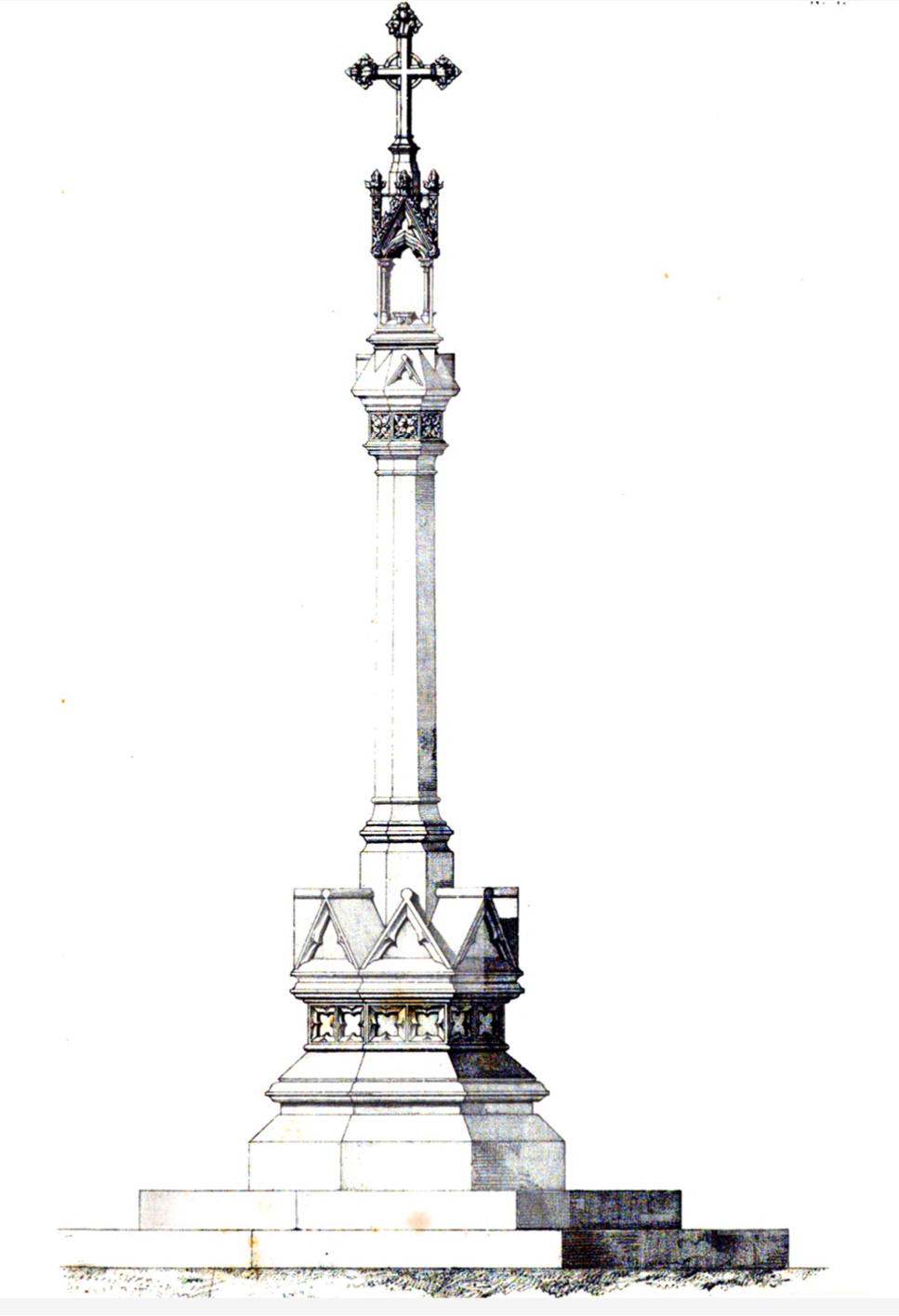
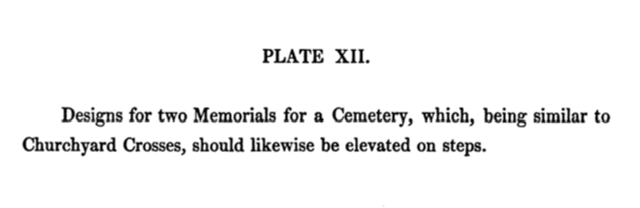
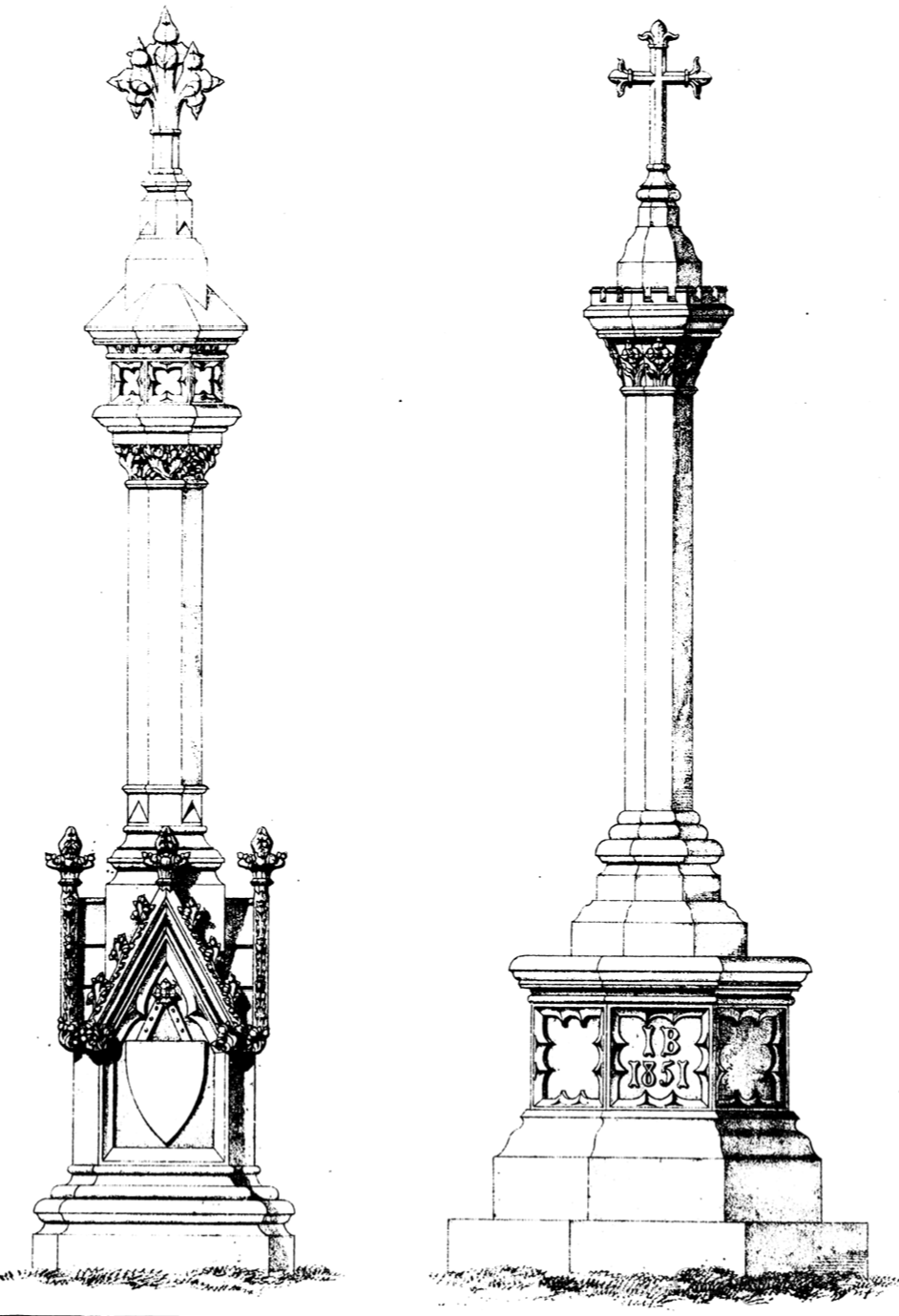
Other publications by John Gibbs
Suggestions relative to the designing of Domestic Buildings, Ornaments, Church-yard Memorials, Chimney Pieces and Alphabets.
Read before the Liverpool Architectural & Archaeological Society at its meeting on 22nd February 1854.
Published in 1855 - Longsight
1861 - Novel
1868