How it all started...
A chance encounter, two battered miners’ lamps and an unpaid debt of honour.
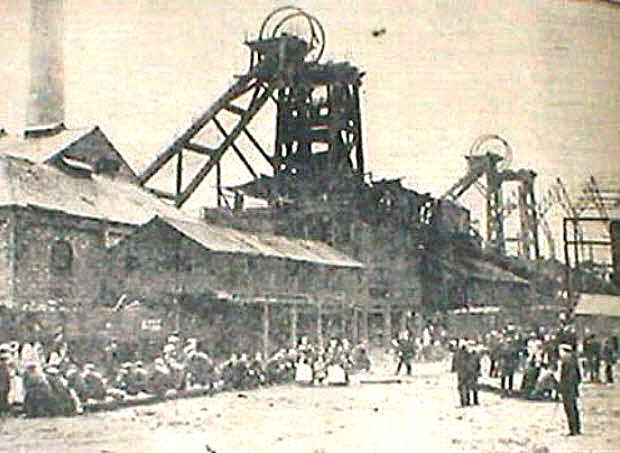
Durham local historian Gavin Purdon has spent years uncovering the remarkable story of James Fox and Thomas Morris, two volunteer rescuers who risked their lives following the catastrophic Maypole Colliery explosion at Abram in August 1908.
In the confusion and danger that followed the disaster, Fox and Morris descended the pit on a desperate midnight mission to search for two missing miners, Israel Greenwood and Robert Bradshaw. Although their courage was celebrated throughout the district, they were denied the lifesaving gallantry medals sought on their behalf.
Gavin believes that decision left an unpaid debt of honour—one that should now be officially recognised.
A lifelong interest in mining history.
Gavin, a retired care-home inspector and the son of a volunteer mines rescue worker, has maintained a lifelong interest in the mining history of his native county of Durham. His connection with the Maypole disaster began more than 50 years ago through a chance encounter in Durham City.

Gavin Purdon
Gavin had arranged a shop-window exhibition of mining memorabilia when a passer-by stopped to look. The man was Jim Twemlow, who explained that he had several mining relics belonging to his father stored away in a garden shed. Believing Gavin could put them to better use, he offered them to him.
Jim’s father was the Reverend Thomas Frederick Brownbill Twemlow MA—a Cambridge graduate, Boer War veteran and prominent supporter of Lancashire’s pit-brow women. At the time of the Maypole explosion, he was Perpetual Curate of the mining parish of St John the Evangelist, Abram.
It was in Reverend Twemlow’s churchyard that the Maypole disaster memorial cross was erected. For many years afterwards, human remains discovered among the cannel coal recovered from the Maypole workings were brought to the church and laid to rest in the crypt beneath the memorial.
Jim Twemlow was himself a living link to the disaster. He was only eight months old when the force of the explosion rocked his cot in Abram Vicarage. The blast sent coal dust across the surrounding countryside, turning the fields and hedgerows between the vicarage and the colliery black.
Two lamps from the Maypole.
Many years later, another chance discovery brought Gavin back to the Maypole story.
He acquired the crumbling remains of two miners’ lamps recovered from a site-clearance rubbish heap on the outskirts of Wigan. Although badly damaged, both lamps bore the Maypole Colliery owner’s mark and dated from around the time of the 1908 disaster.
James Fox and Thomas Morris would have carried lamps like these when they entered the shattered mine in search of Greenwood and Bradshaw. They descended into a place filled with poisonous fumes and almost impenetrable darkness—conditions so severe that the light from their lamps could barely penetrate the gloom.
The lamps gave Gavin a tangible connection to the men and their ordeal. They also inspired a much deeper investigation into what happened that night and why the rescuers’ courage was never formally rewarded.
The medals that were refused.
Gavin’s research has examined the conflicting accounts and disputed details surrounding the rescue. Central to his investigation is the decision of Home Secretary Herbert Gladstone to reject a petition submitted by the Mayor of Wigan, Sam Wood, seeking lifesaving gallantry medals for Fox and Morris.
The two men were celebrated locally as the “Maypole Heroes” and credited with saving the lives of Israel Greenwood and Robert Bradshaw. Yet the official honours recommended on their behalf were refused.
Gavin has sought to understand how that decision was reached, whether the full circumstances of the rescue were properly considered and whether an injustice can now be acknowledged.
His findings have so far been presented in two privately produced booklets, No Ribbons for Abram Maypole and Honours Refused. Fifty copies of each were printed—not for sale, but donated to Wigan’s branch libraries and archives, as well as to groups and individuals who assisted with information and historical images.
Gavin now hopes to bring his research together in a final publication and support the campaign for the bravery of Fox and Morris to receive proper recognition.
Can you help complete the story?
Important questions remain about the later lives of the four men whose experiences became forever connected beneath the Maypole Colliery:
- What became of James Fox, Thomas Morris, Israel Greenwood and Robert Bradshaw?
- Did they ever speak or write about their shared ordeal?
- Were their later lives affected by the physical or psychological trauma?
- Did Fox and Morris express an opinion about the refusal of the medals?
- Do family papers, photographs, letters or newspaper cuttings survive?
Further information would enrich the historical record and could strengthen the case for the courage of James Fox and Thomas Morris to be officially recognised.
This campaign continues the determined work of Gavin Purdon, a Durham local historian whose chance encounter more than half a century ago began an enduring connection with Abram, the Maypole disaster and two rescuers whose heroism should not be forgotten.
Wigan Building Preservation Trust and Abram Heritage and History groups are now assisting Gavin with the research and the campaign for recogonition of Fox and Morris, the "Maypole Heroes".