Gerard Finch Brown (1835- 1913)- a Son of Wigan.
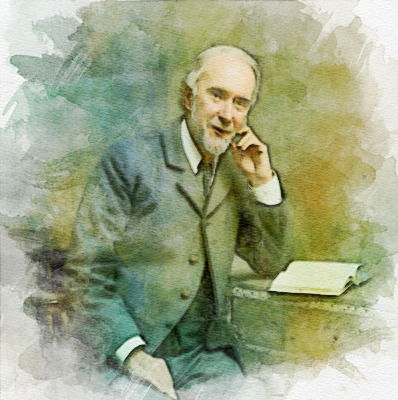
Gerard Brown Finch was one of Wigan’s most remarkable sons — a man whose life carried him from rooms above an inn in Market Place to the highest intellectual and professional circles of Victorian England.
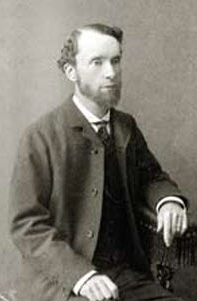
He was born on 4 June 1835 at the Cross Keys Inn, Market Place, Wigan, the second son and fourth child of John and Nancy Finch.
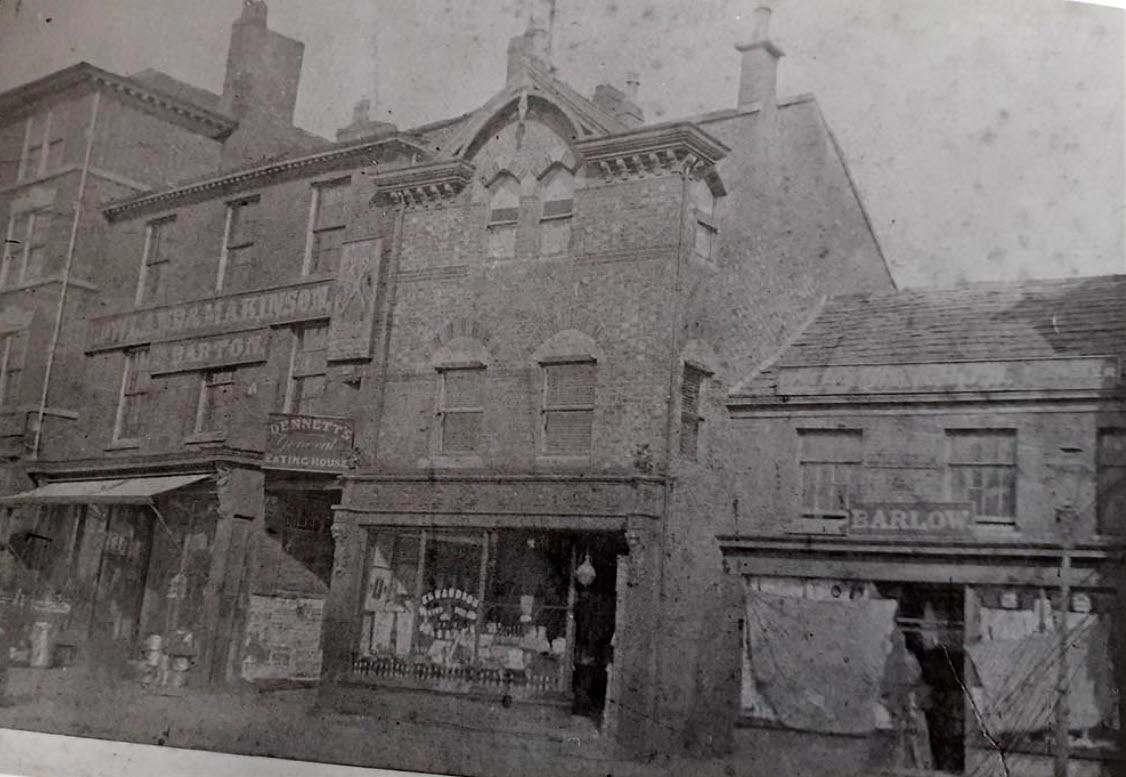
Market Place - showing the entrance to the Cross Keys Yard.
From modest beginnings, he would rise to become Senior Wrangler of Cambridge, a leading Chancery barrister, Professor of Law, scientific lecturer, industrial adviser, philanthropist, and one of the principal architects of Wigan’s Free Public Library.
From Wigan Schoolboy to Senior Wrangler
Finch was educated first at Upholland Grammar School and later at Wigan Grammar School under the Rev. Samuel Doria, who quickly recognised his exceptional ability and urged that he be sent to university.
In October 1853, aged eighteen, he entered Queens’ College, Cambridge. Though his formal mathematical preparation had been limited, his intellectual discipline, retentive memory and extraordinary problem-solving ability soon set him apart.
In 1857 he achieved the highest distinction possible in Mathematics — Senior Wrangler — and was immediately elected a Fellow of his College.
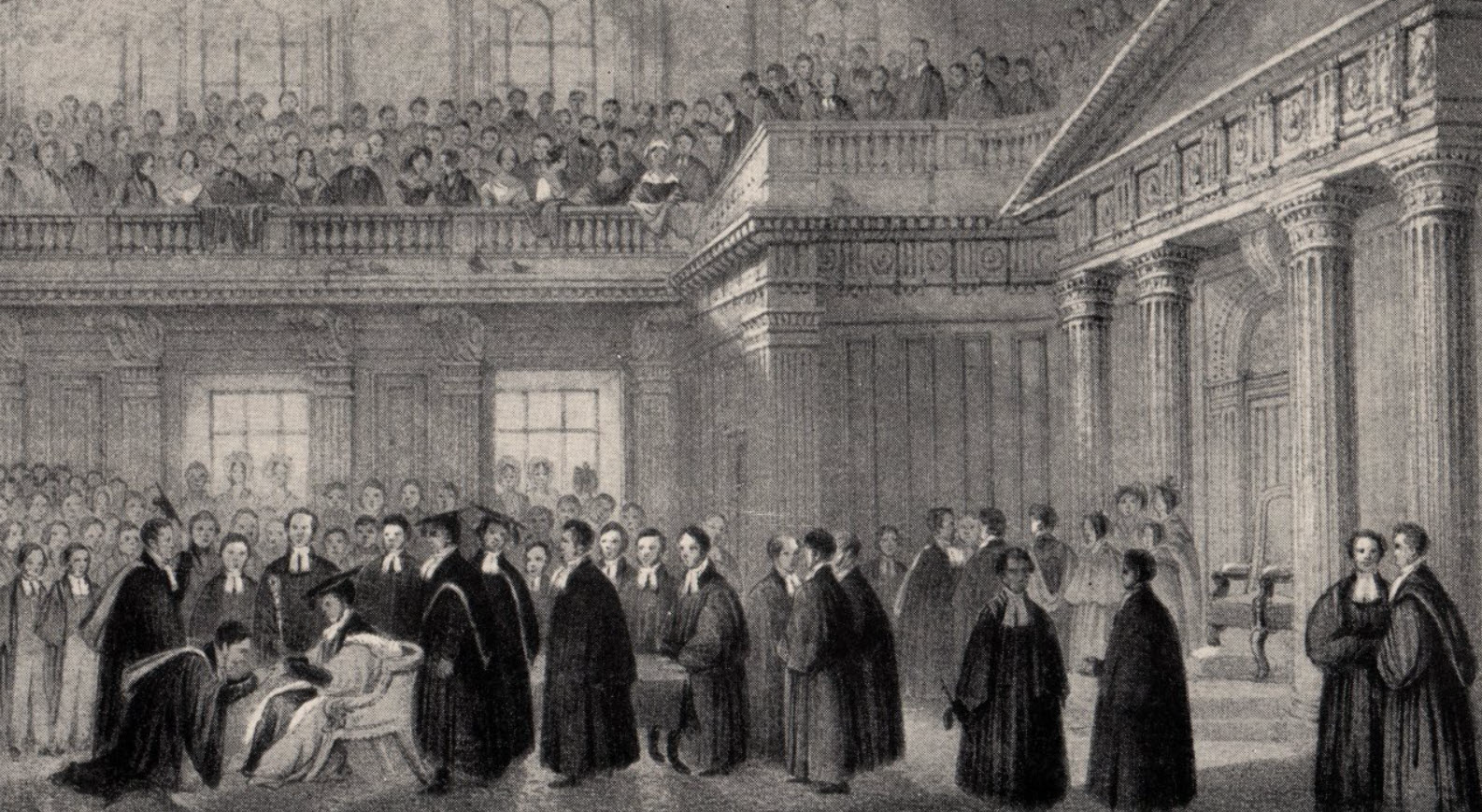
Senior Wrangler Ceremony in the Senate House
It was said in Wigan that the bells of Wigan Parish Church rang in celebration of his triumph, though his father did not live to hear them.
After the intense strain of study, Finch travelled in Spain and the United States to restore his health before returning to England in 1858.
A Career in Law
When his health was re-established, he decided to go into Law. For a year, he worked in the office of Mr. Mayhew, a solicitor and founder of Wigan Cricket Club, with a large conveyancing practice in Standishgate, Wigan.
With the assistance of the Mayhew family, he was received as a pupil in the Chambers of Charles Hall (afterwards Sir Charles Hall, Vice-Chancellor of England), and in 1864 he was called to the Bar at Lincoln’s Inn.
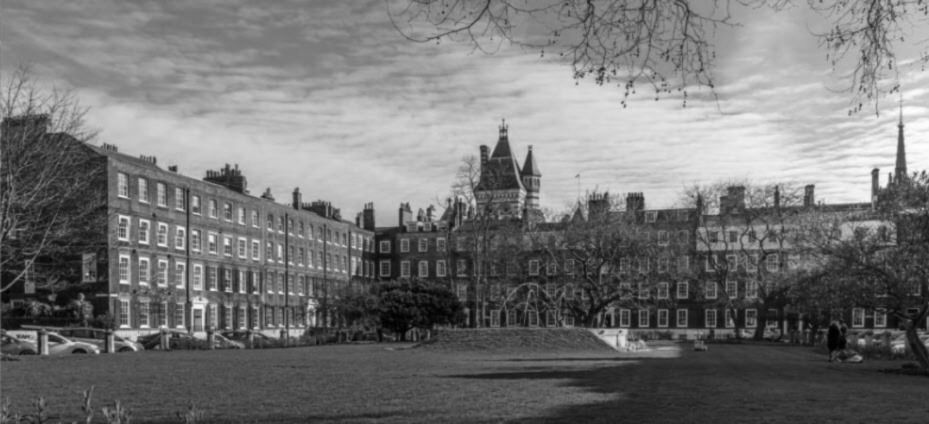
New Square - Lincoln's Inn
Success at the Chancery Bar quickly followed, and Finch soon had a large practice, especially in cases associated with the Coal Mining interests.
Barrister to the Coalfield
Finch became closely associated with the legal affairs of northern colliery owners. His mathematical precision proved invaluable in complex disputes involving mining leases, mineral rights, royalties, partnerships, compensation claims and industrial liabilities.
His involvement was not merely professional; in 1877 he became a 10 per cent shareholder in Cossall Colliery in Nottinghamshire — locally known as “Hewlett’s Pit” — alongside fellow investors Alfred and William Hewlett, Maskell William and Ebenezer Peace and Charles Gidlow Jackson.
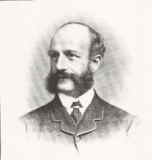
Alfred Hewlett
The colliery was closely associated with the Hewlett family, and Finch’s dual role as both legal adviser and investor demonstrates the depth of his engagement with the industrial world of the coalfields.
Marriage and Family
In 1868, he married Margaret, daughter of Joshua King, his former President at Queens’.
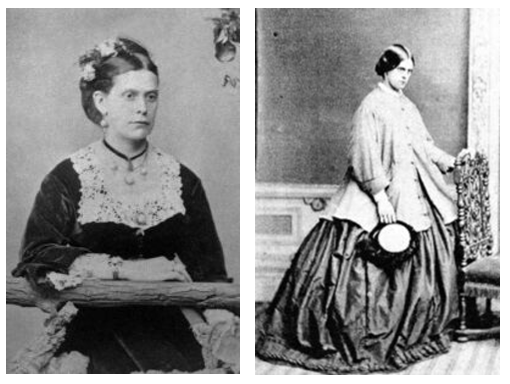
Margaret King
They settled in Hampstead, where Finch’s flourishing practice allowed him to maintain a household appropriate to his wife’s upbringing.
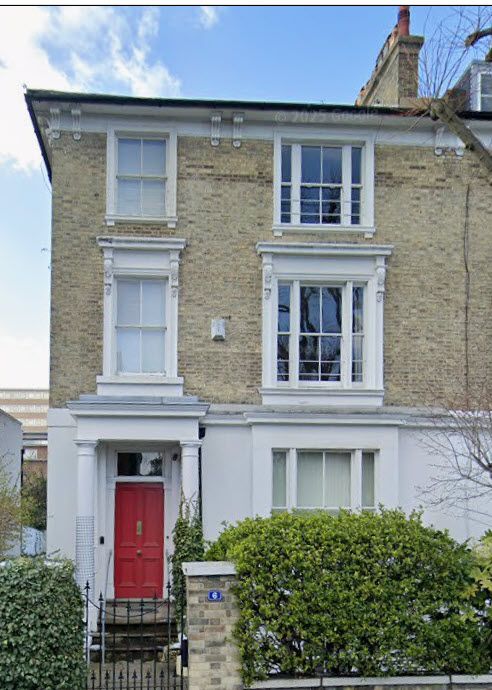
The Finch Home - 6, Thurlow Road, Hampstead.
Though both were in their thirties when they married, Gerard and Margaret had six children. Ernest (born 1869) later entered Queens’ and became a lawyer; Herbert (born 1870) went to Trinity and became a civil engineer; Alice (1872); Alfred (1874), a rowing Blue at Trinity; Isabel (1877); and Arthur Joshua (1878).
In 1885, they returned to Cambridge and lived at St. Peter's Terrace.
Margaret died in 1897, bringing to a close nearly three decades of marriage.
Subsequently, Finch remarried Amelia Jane Kelly, a nurse at Addenbrooke’s Hospital in Cambridge, beginning a new chapter in his later years.
Curator of Knowledge
Finch’s most enduring gift to his native town came through the creation of Wigan’s Free Public Library.
In 1873, Thomas Taylor agreed to finance the building, and Joseph Taylor Winnard bequeathed funds for the purchase of books, requesting specifically that Finch be consulted in their selection.
Finch devised a systematic classification scheme of universal knowledge and consulted leading authorities in various disciplines.
Astronomy was advised upon by James Ludovic Lindsay, 26th Earl of Crawford; Lancashire history and dialect by Dr William Axon of Manchester; the fine arts by Mr Folkard; mathematics by Finch himself. The result was a distinguished and carefully balanced collection that quickly established Wigan’s Free Library's reputation.
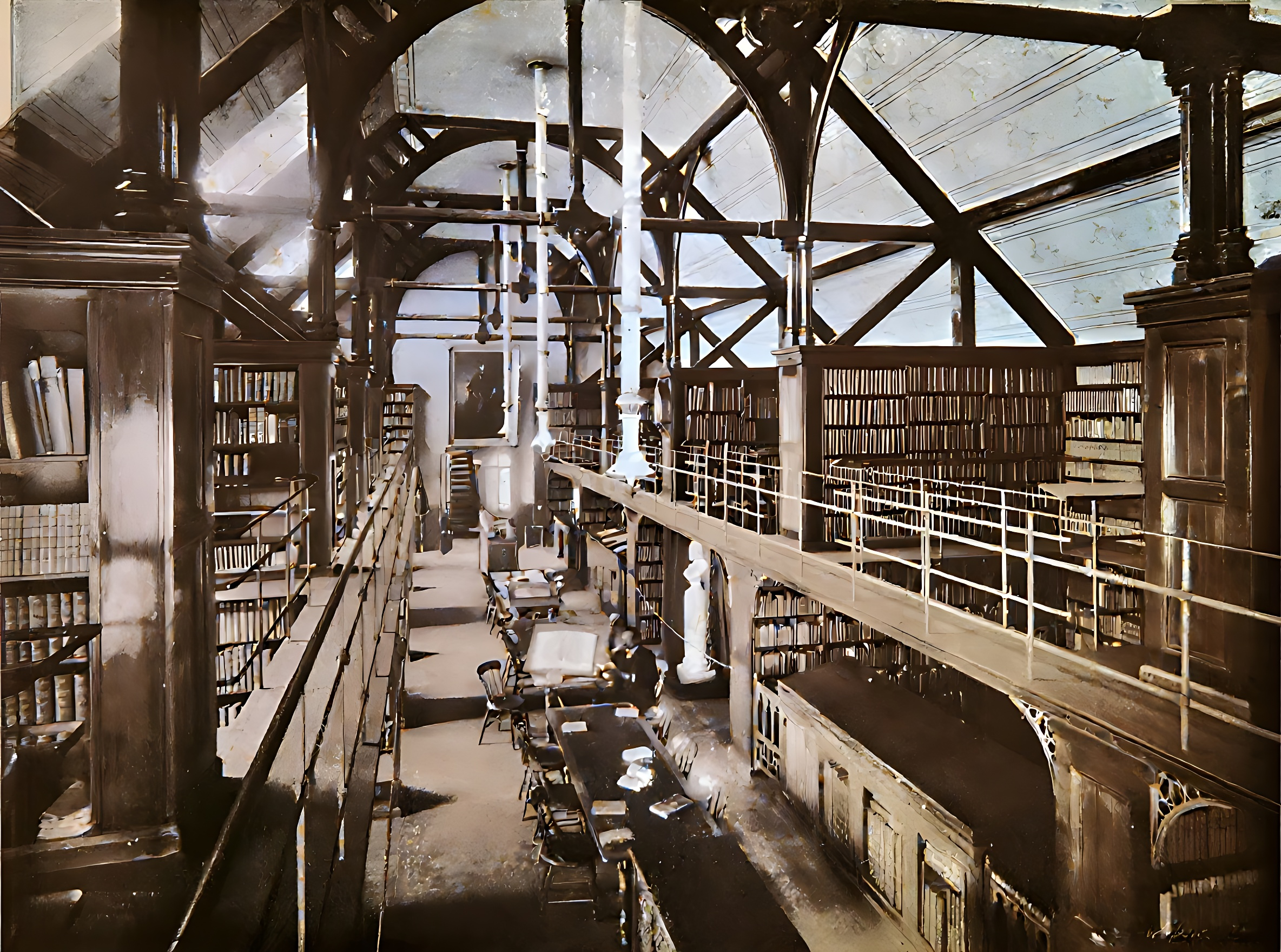 The Library - the first librarian H.T Folkard seated
When an accounting discrepancy revealed that expenditure exceeded the agreed sum by approximately £1,000, Finch refused to return books to the sellers. Instead, he personally raised the additional funds.
It was a gesture that permanently enriched the Library and revealed much about his character — principled, generous, and committed to intellectual excellence.
Bringing Science to Wigan
Despite his London and Cambridge commitments, Finch returned frequently to Wigan to contribute to its intellectual life.
In 1870, he addressed the Wigan Field Naturalist and Scientific Society at the Public Hall with a lecture entitled “Some Recent Discoveries Concerning the Stars.” The event, illustrated using oxy-hydrogen light operated by Maskell W. Peace, brought advanced astronomical knowledge to a provincial audience.
In 1878, he delivered a dramatic lecture on electricity at the Wigan Mining and Mechanical School. A Siemens dynamo-electric machine powered a sawbench inside the hall, cutting timber up to five inches thick when current was applied.
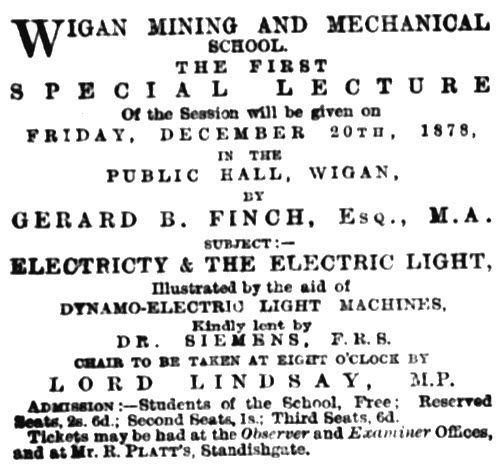
Wigan Observer Advert
Presiding was James Ludovic Lindsay, then President of the Royal Astronomical Society, and many leading colliery proprietors were present.
At a time when compressed air was the only safe underground power source, Finch demonstrated the future potential of electricity in mining — cheaper, efficient, and transmissible through wires to distant workings. He later presented forty copies of a work on electricity to the School and, in 1879, joined its Committee.
In 1883 he was elected a Fellow of the Royal Astronomical Society, reflecting his continued engagement with scientific inquiry.
Professor, Benefactor and Spiritual Seeker
After retiring from active legal practice in the mid-1880s, Finch returned to Cambridge and resumed teaching at Queens’ College, Cambridge.
In 1885, he delivered his inaugural lecture as Professor of Law, “Legal Education, Its Aim and Method,” and in 1886 published A Selection of Cases on the English Law of Contract.
He was elected an Honorary Fellow of his College. By this time, he had become very wealthy and settled at St Peter’s Terrace, Cambridge.
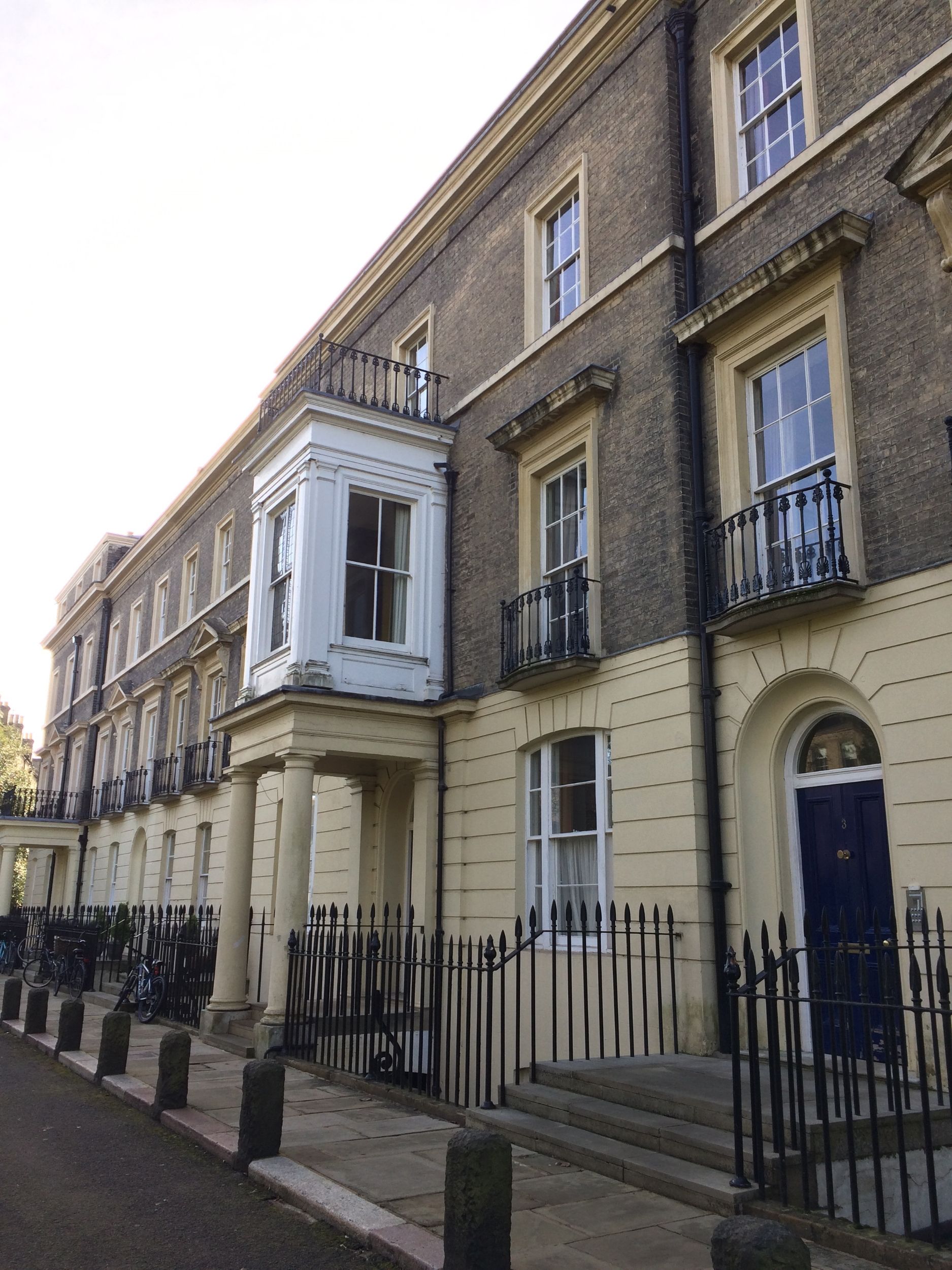
St. Peter's Terrace, Cambridge.
He was a major benefactor to Queens’, contributing liberally to its new Buildings and especially to the Chapel, consecrated in 1891.
His interests extended beyond law and science into philosophy and religion. He engaged seriously with Neo-Buddhism and faith healing, served as President of the Theosophical Society of London from 1884, and later took Holy Orders.
Final Years at Girton
Finch spent his later years at Howes Close, Girton, where he was deeply involved in village life and funded the construction of a village Institute.
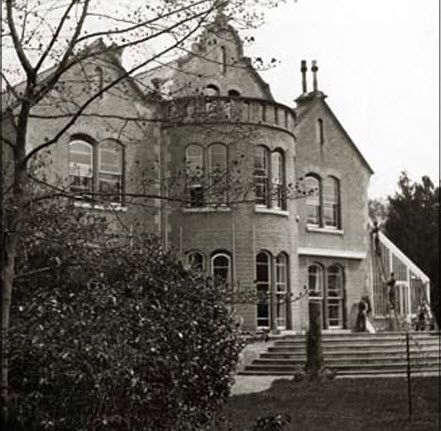
Howes Close, Girton
When he died on 24 March 1913, villagers stood bareheaded as his funeral passed. Among the tributes was a simple garland inscribed: “From the mothers of Girton village.”
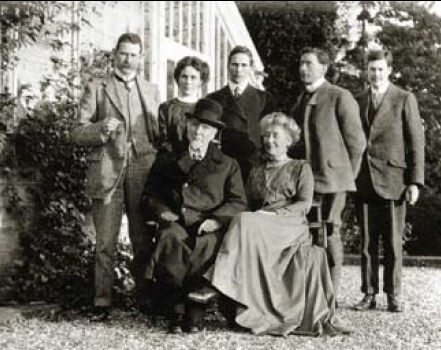
G.B.F with his second wife, Amelia and his children, Ernest, Alice, Alfred, Herbert and Joshua
A Son of Wigan
Gerard Brown Finch’s life bridged remarkable worlds — from the Cross Keys Inn in Market Place, Wigan, to the courts of Lincoln’s Inn, the lecture halls of Queens’ College, Cambridge, and the Northern coalfields.
As Senior Wrangler, Chancery barrister, industrial adviser, shareholder in “Hewlett’s Pit,” scientific lecturer, Curator of Knowledge for Wigan’s Free Library, Professor of Law and generous benefactor, he embodied the Victorian ideal of intellect joined with public service.
Yet throughout his distinguished career, he remained unmistakably a "son of Wigan".
Sources: The Dial. Wigan Observer, FindmyPast, Queens College Record, Lincoln's Inn.