Empress Hall - From Civic Ballroom to Northern Soul Legend.
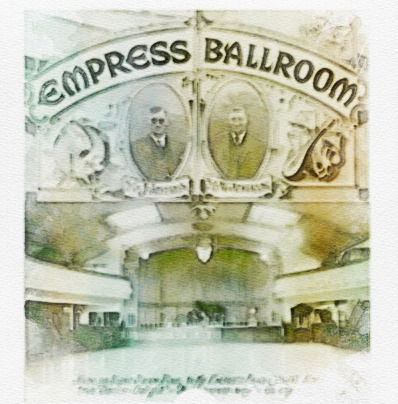
On Wednesday evening, 1st November 1916, in the midst of the Great War, Wigan witnessed an event of civic pride and quiet optimism: the formal opening of the Empress Hall in Station Road, near the Wigan Central railway station.
The ceremony was performed by the Mayor of Wigan, Alderman A. S. Hilton, J.P., in the presence of members of the Town Council, public officials—including the Town Clerk, Mr. W. H. Tyrer—and clergy from St. William’s, Ince. Among those present were the Deputy Mayor, Councillor A. F. Baucher, together with Mr. Walter Atherton and Mr. John Atherton, whose enterprise had brought the scheme to fruition.
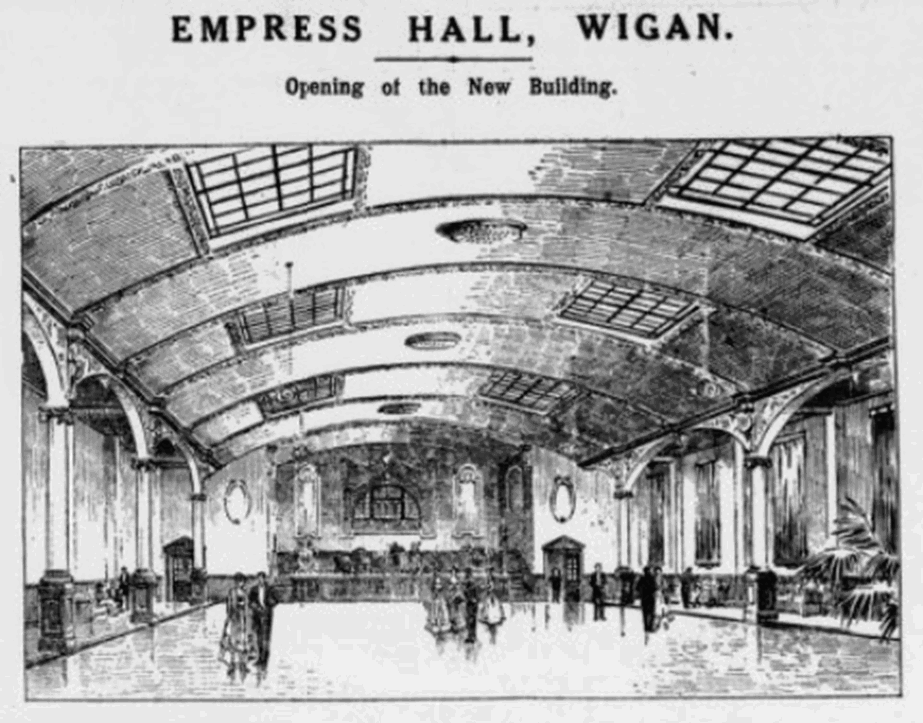
Image from Wigan Examiner
The architect, Mr. R. Pennington of Library St, and the builder, Mr. William Johnson, J.P. of Caroline St, were also in attendance.
The evening began with a substantial dinner provided by Messrs. Atherton Brothers, served from the Minorca Grill Room, and concluded with a public whist drive and dance in aid of the Mayor’s Fund for the extension of the Lord Roberts Memorial Workshops—a cause connected with the welfare of soldiers and sailors disabled in the war.
Enterprise in a Time of War
The Empress Hall project had begun before the outbreak of war in 1914, but progress slowed due to shortages of labour and building materials. Its completion in 1916, therefore, represented a remarkable act of determination and civic confidence.
Wigan, at the time, was experiencing the economic strain of wartime industry. Coal production had declined significantly, house building had virtually stopped, and several brickworks had fallen silent. In this climate, the Atherton brothers’ decision to invest in such a large public building was widely recognised as both courageous and patriotic.
The Mayor praised the brothers as men whose enterprise strengthened the community, noting that the hall would increase the town’s rateable value while providing a much-needed space for social gatherings and public meetings.
A Modern Building for a Growing Town
The Empress Hall was innovative in its design, combining a large motor garage on the ground floor with a grand public ballroom above.
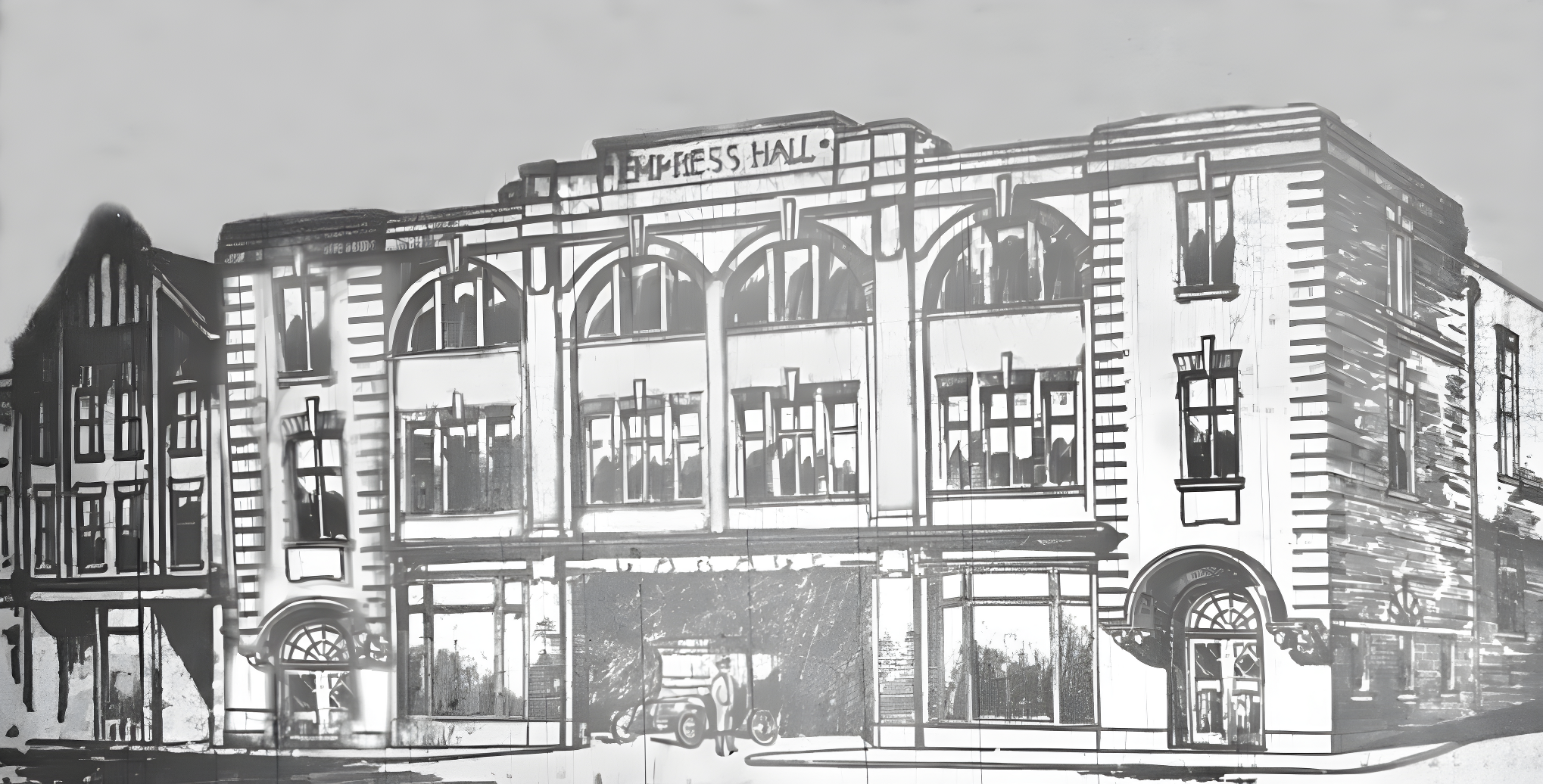
Original Drawing
The Garage
The ground floor garage measured 120 feet by 75 feet, with a ceiling height exceeding 16 feet. It included motor pits, store rooms, petrol chambers, washing areas, lavatories, and offices. Cubicles were planned for storing motor cars, and the most modern vehicle repair and maintenance methods were to be adopted.
Situated close to the railway and the commercial centre of the town, the garage reflected the rapidly expanding motor age.
The Garage would ultimately become a billiard hall in future years.
The Hall
Above the garage stood the principal attraction—the Empress Hall itself.
The hall was rectangular, matching the footprint of the garage below, and rose 27 feet to the centre of its ceiling. Its polished maple dance floor, laid on steel springs, could accommodate up to 350 dancers and was surrounded by a wide promenade. A stage with ante-rooms occupied one end, while a large balcony overlooked the floor from the other. Beneath the balcony was a supper room with facilities for serving refreshments, while a fully equipped kitchen was located on the same level.
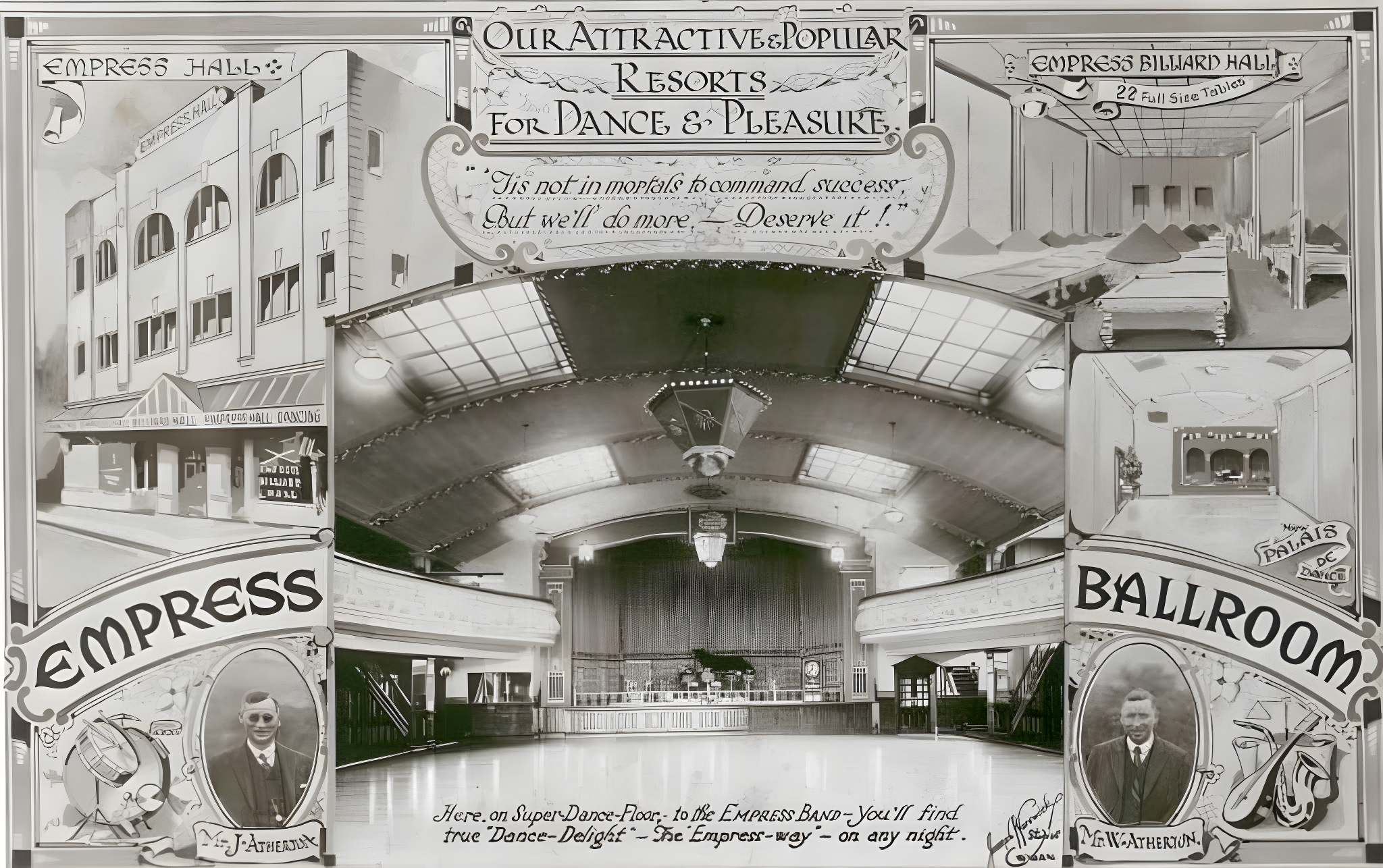
1920's Poster
With seating for approximately 2,000 people, the hall was ideally suited for concerts, meetings, entertainments, and civic functions.
Constructed in brick with a front elevation of pressed bricks and Christie stone dressings, the building was supported internally by steel stanchions. It was fully heated, electrically lit, and ventilated. The interior featured fibrous plaster decoration and duresco finishes.
The principal contractors were John Johnson and Son of Wigan, while specialist firms supplied the steelwork, terrazzo floors, heating and lighting systems, plasterwork, and furnishings under the supervision of the architect, Mr. R. Pennington.
Wartime Duty and Civic Responsibility
The inaugural evening was dedicated not only to celebration but also to charity. The entertainment raised funds for workshops designed to employ disabled servicemen, part of the national effort inspired by Field Marshal Frederick Roberts. The Mayor expressed his ambition that Wigan should host one of these workshops, emphasising the town’s central location and large surrounding population. Councillor J. l’Anson Cartwright, the incoming Mayor, spoke movingly about the obligation owed to returning soldiers who had sacrificed limbs and livelihoods. It would be unacceptable, he argued, for such men to depend upon charity when they had fulfilled their duty to their country.
From Ballroom to Cultural Landmark
Over the following decades, the Empress Hall—soon widely known as the Empress Ballroom, or simply “The Emp”—became one of the most important centres of social life in Wigan.
The Golden Age of Ballroom Dancing (1910s–1950s)
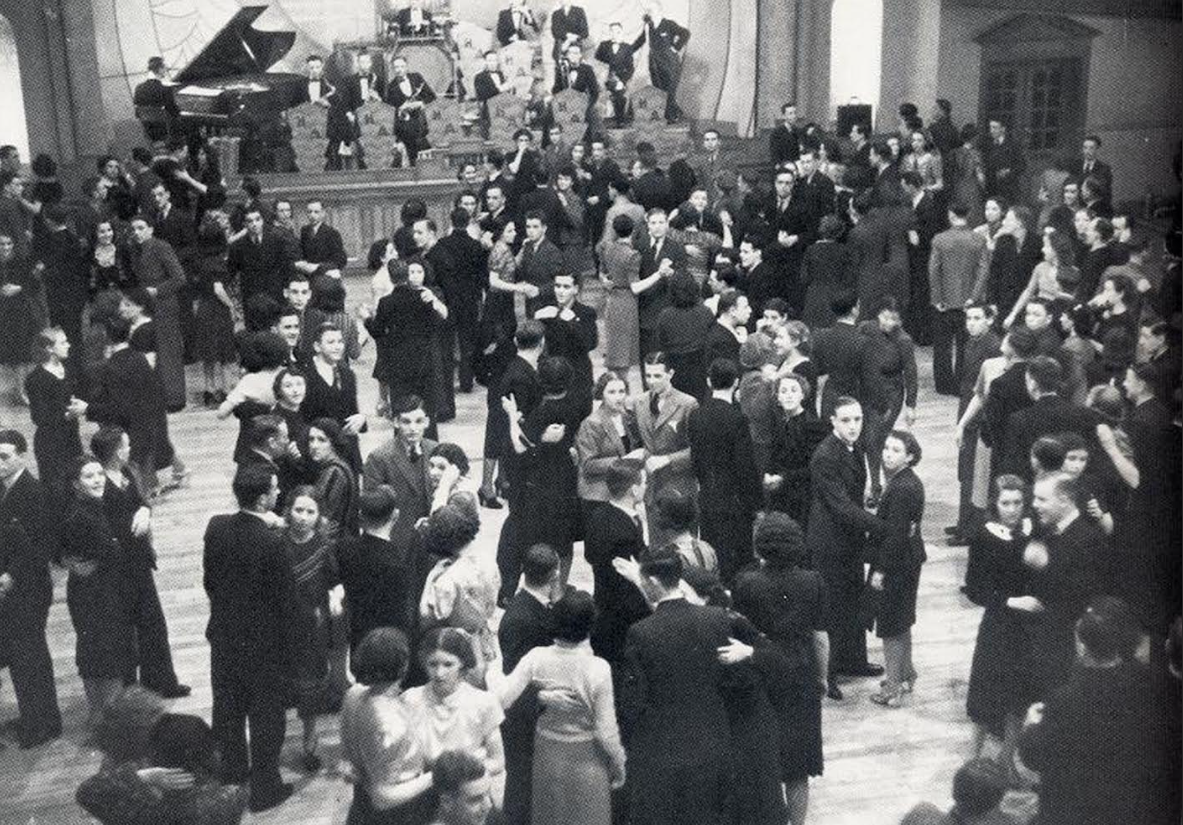
From its opening in 1916 through the mid-twentieth century, the Empress Ballroom was the town’s premier venue for dances, concerts, and public gatherings.
Its sprung maple dance floor became famous among dancers for its remarkable “bounce.”
Dancing in the 1950's
During the 1940s and 1950s it was especially popular for strict-tempo ballroom dancing and was frequently visited by American servicemen stationed in the region during the Second World War.
Expansion and Additional Venues
During the 1920s the complex was expanded with the addition of the Palais de Danse, providing a second ballroom space. In later years a rear theatre space within the complex would evolve into another venue known as Mr. M’s, which would play an important role in the building’s final chapter.
The Rock and Roll Era (1960s)
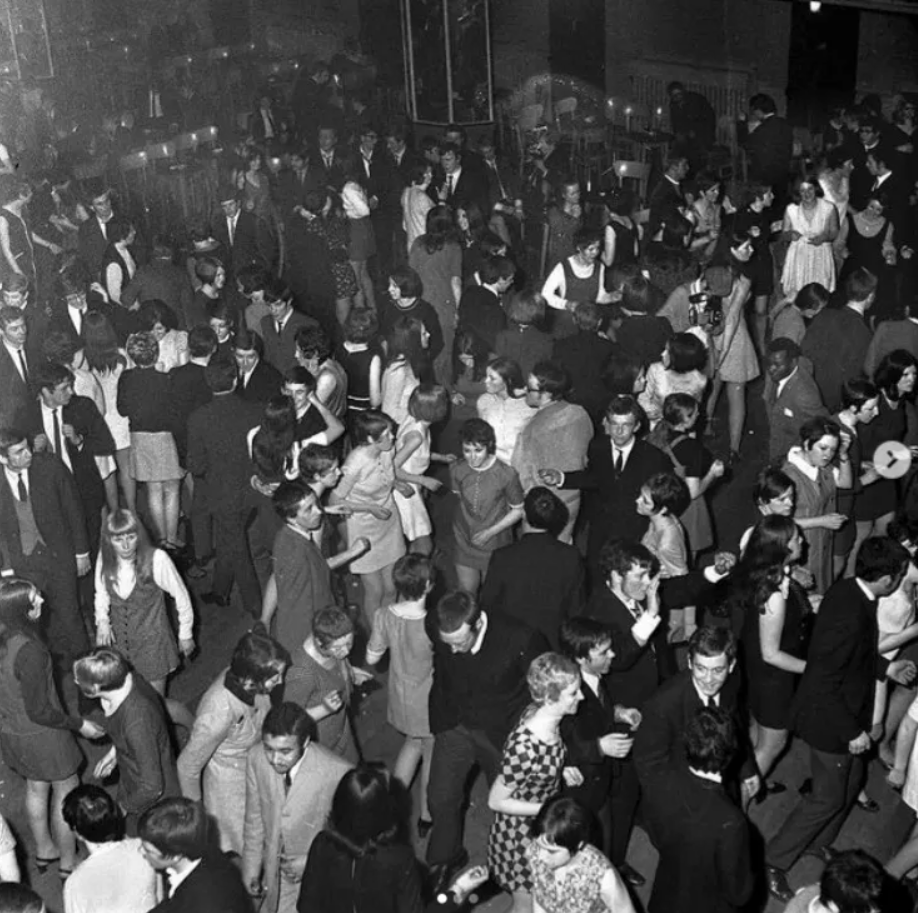
By the early 1960s the Empress had adapted to changing musical tastes. The ballroom hosted many touring rock and pop acts, including a performance by The Rolling Stones on 27 November 1963.
Dancing in the 1960's
Other performers during this period included Jerry Lee Lewis and Herman’s Hermits, reflecting the venue’s transition from traditional ballroom dancing to the emerging world of youth culture and pop music.
The Northern Soul Phenomenon
The building achieved worldwide fame in 1973 when it reopened as the legendary Wigan Casino. The first all-night session began at 2:00 a.m. on 23 September 1973.
Under the guidance of DJs such as Russ Winstanley and Kev Roberts, the venue became the epicentre of the Northern Soul movement.
Each weekend thousands of dedicated dancers travelled from across Britain—and eventually from around the world—to dance through the night to rare American soul records.
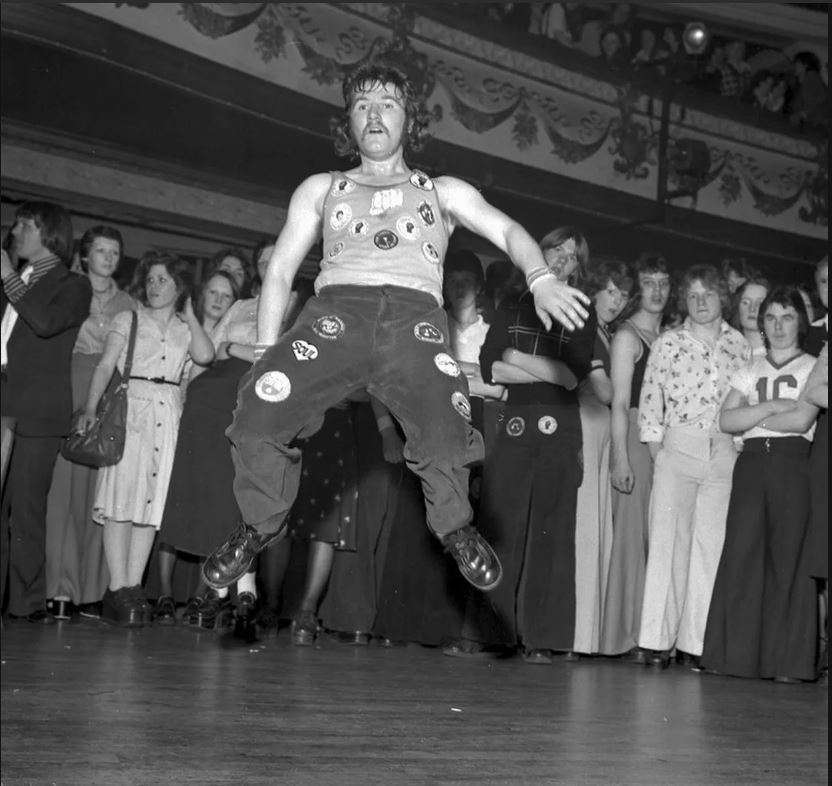
Meanwhile, the adjacent room known as Mr. M’s developed its own reputation for playing older soul, rhythm and blues, and classic tracks, complementing the main ballroom.
Closure and Demolition
After nearly seven decades at the centre of Wigan’s social life, the building’s story came to an end in the early 1980s.
The final all-nighter at the Wigan Casino took place in 1981. Shortly afterwards the complex suffered a fire and was demolished.
Today the site is occupied by the Grand Arcade Wigan. Within the shopping centre, a commemorative plaque and the Casino Café mark the location of the former ballroom, ensuring that the memory of the venue continues to be recognised.
A Building That Reflected Its Times
Few buildings have mirrored the changing social life of a town as vividly as the Empress Hall.
Built during the First World War as a modern civic ballroom and garage, it became a centre for dance and entertainment between the wars, welcomed American servicemen during the Second World War, hosted the rock revolution of the 1960s, and finally achieved global cultural significance as the home of Northern Soul in the 1970s. From maple ballroom floor to all-night soul sessions, the Empress Ballroom—“Th'Emp”—remains one of the most celebrated venues in the cultural history of Wigan.
Sources
Wigan Examiner, Findmypast, wiganworld, Ron Hunt