All Saints' Mission House
Memories
For 70 years Rectors of Wigan were assisted not only by a continuous stream of hard-working curates but also by the ever-present support of the Sisters of the Community of St Mary the Virgin. In their black habits and veils, this small group of nuns was a welcome and familiar sight in church, in the parish and in the whole town.
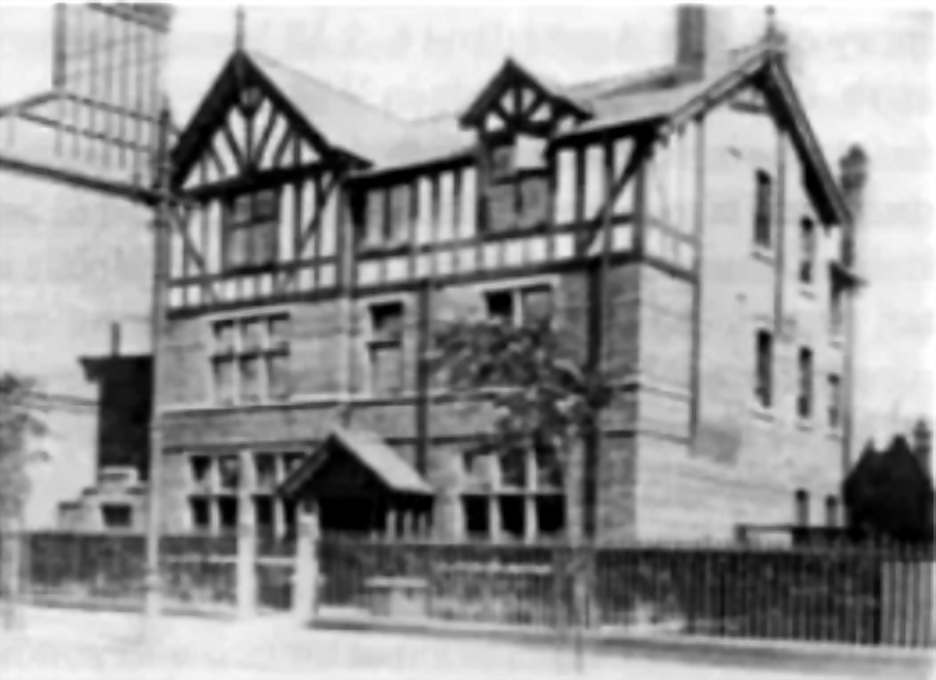
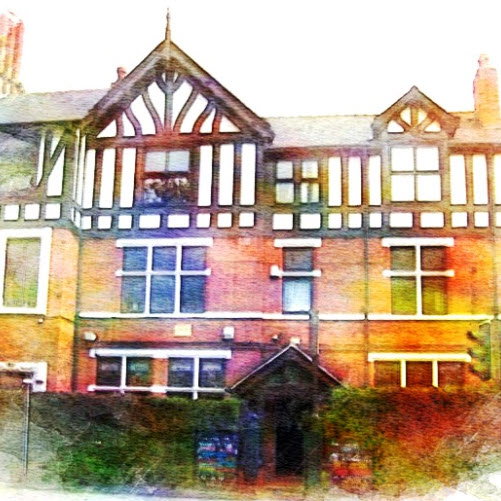
All Saints’ Mission House in New Market Street was specially built for them and opened in 1893. There were communal and individual rooms, all very sparsely furnished; Sister Superior’s room was the only one to have a carpet. At the back was their small chapel, with curved seats for the sisters. A large crucifix hung over the altar and there was a shrine to the Virgin Mary on the right wall.
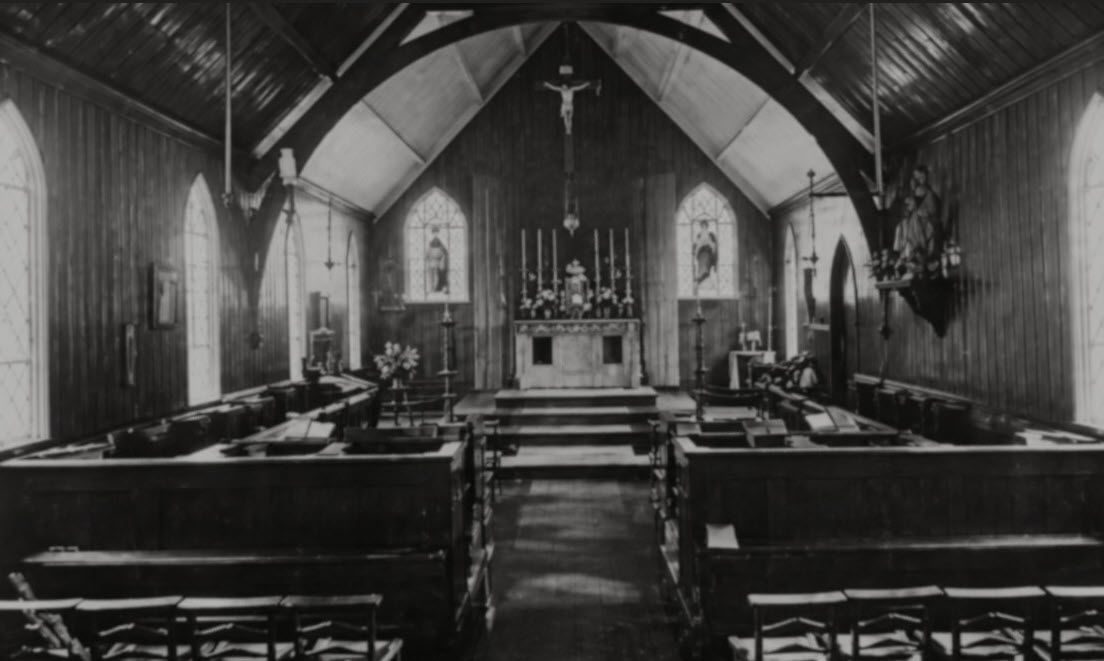
The chapel at All Saints’ Mission House
For many years they did great work, especially amongst women and girls, caring diligently for the sick and poor, including some home nursing, and providing retreats and quiet days. In 1895, for instance, the magazine had a request from the Sisters for any clothing, old or new, and gifts of vegetables and fruit for the sick.
We know that the large Walking Day banner, “The Good Shepherd” (on the cover of this magazine), first used in 1899, was made by the Sisters at the Home, paid for by the Sunday School at a cost of about £40.
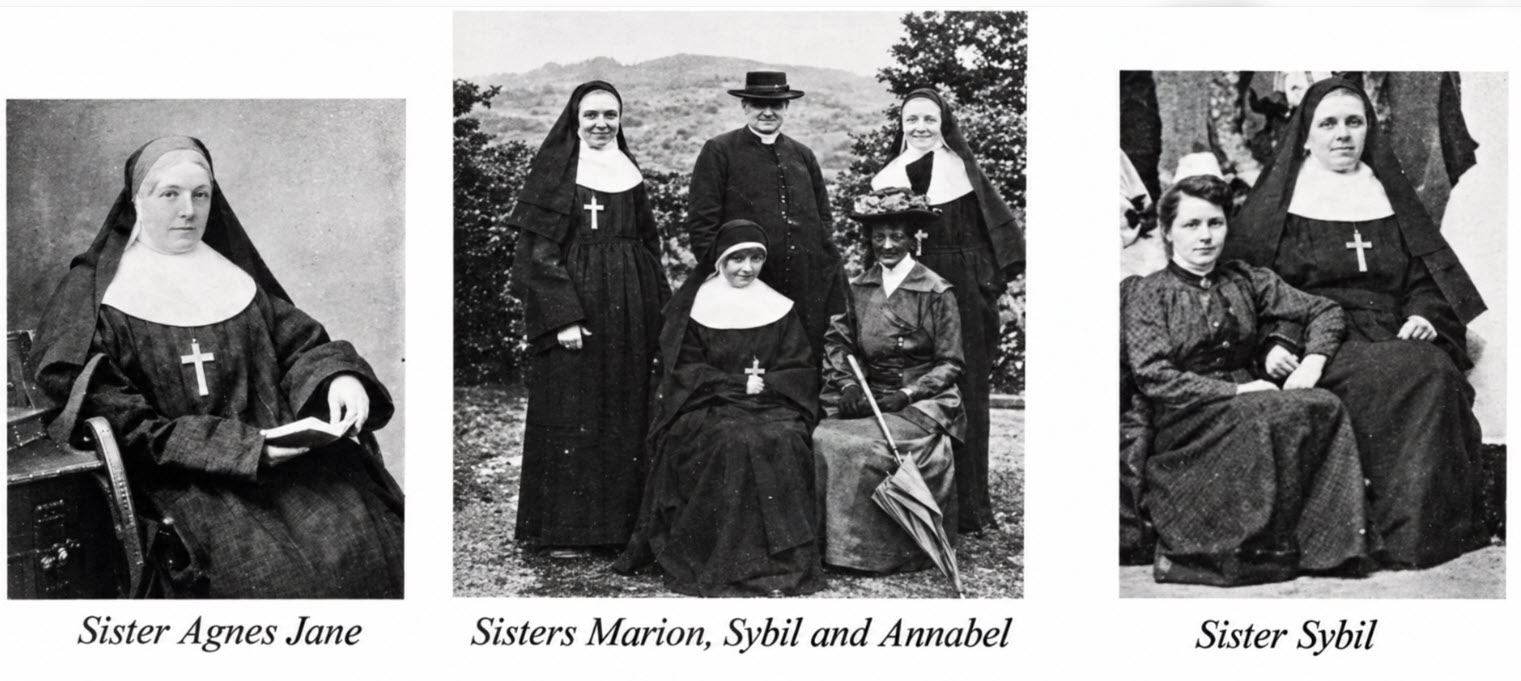
They obviously made an important contribution to church life from the start, as can be seen by the gift of an oak litany desk (in the Chancel near the High Altar) in memory of Sister Agnes Jane. She must have been one of the first to come to Wigan and was much appreciated, as the inscription shows: “Given in memory of Sister Agnes Jane CSMV and of seven years faithful work in the parish, by her many friends in Wigan 1895.”
With new daughter churches being established from the mother church as Wigan expanded, each of the nine sisters was designated to serve in one of the central parishes. Anyone could call at the Mission House to ask for a particular Sister, ringing the bell in the entrance hall with her own number. In the 1930s, domestic work at the Home was done by a lay worker called Bertha, who had come from the Workhouse to live in.
They all managed with the bare essentials, including a very frugal diet; if there was a visitor for breakfast, one sister only had butter on her bread and another only had jam, so that the visitor could have both.
They obviously made an important contribution to church life from the start, as can be seen by the gift of an oak litany desk (in the Chancel near the High Altar) in memory of Sister Agnes Jane. She must have been one of the first to come to Wigan and was much appreciated, as the inscription shows: “Given in memory of Sister Agnes Jane CSMV and of seven years faithful work in the parish, by her many friends in Wigan 1895.”
With new daughter churches being established from the mother church as Wigan expanded, each of the nine sisters was designated to serve in one of the central parishes. Anyone could call at the Mission House to ask for a particular Sister, ringing the bell in the entrance hall with her own number. In the 1930s, domestic work at the Home was done by a lay worker called Bertha, who had come from the Workhouse to live in. They all managed with the bare essentials, including a very frugal diet; if there was a visitor for breakfast, one sister only had butter on her bread and another only had jam, so that the visitor could have both.
The Sisters attended Holy Communion at church every morning except Fridays, when there was a service in their own chapel at 7.30. During World War II there was a prayer list to read out names of relatives or friends in the Forces and the family could attend on that day.
Mary Molyneux remembers that in the 1930s and 40s church was always open and at least one of the Sisters was always there. There were books in the Children’s Corner (where the oak chest is now) and any child could go in after school to read.
The Sisters had different special interests. Sister Agnes Marion worked with mothers, Sister Sylvia was good with children and worked for Missions, making goods like lavender bags to sell to raise money to buy little celluloid dolls, which the girls dressed, and big red hankies to protect people from the sun. These were all sent to Africa in a parcel.
On a couple of occasions, Sister Sylvia organised a pageant on the Rector’s lawn. At one of these, Cyril Fairhurst and Roy Taylor had to fight; Cyril was supposed to lose but didn’t want to, so a real scrap developed and both boys ended up in the hedge.
Sister Eveline held an annual Nativity Play in the Thicknesse Hall, when young adults took the main parts and children were angels. One year, one of the Three Kings was Ronald Mayer, who later became an actor. He was smoking at the side of the hall when his cue came, so he put out his cigarette hurriedly, stubbing it out in the box that he was carrying. When he walked on stage, smoke could clearly be seen wafting out of his ‘gift’.
These plays and pageants obviously made a lasting impression, since after leaving Wigan, Sister Eveline noted that several who continued to write to her mentioned them with pleasure.
With some of the curates, Sister Eveline also ran a very popular Sunday School at the Mission in Frog Lane, attended by the poorer children in the parish. For months before Walking Day each year, she put great effort into gathering money and material, as well as dress-makers, to provide new dresses for the girls. She was so successful that people watching commented that the Mission children were better dressed than the ‘posh’ children from the main Sunday School in Hallgate.
Margaret Clement was confirmed in 1937 and remembers being taken for confirmation by the Sisters in their own lovely chapel: “We betide you if you could not recite your catechism.” On the day of the Confirmation, “we met at the Sisters’ Home in our own white dresses and the Sisters put on our white lawn veils. We walked in procession up Hallgate to church.”
Even after they left, the Sisters held Wigan in their hearts. Sister Constance had the magazine sent each month and shared news with others back at Wantage. They kept in touch as long as friends sent them a stamped addressed envelope, since they could not afford postage. Nevertheless, in World War II they took special care of ‘their’ people in the Forces. Sister Eveline wrote to one of my ‘old Mission lads’, George Harris, in Egypt and grieved when he was killed in action. Two Sisters were sent from Wantage to Paddington to help in the Blitz and ‘got a grand reception’, helping with services held in shelters and tending all in need.
Not least of the good the Sisters did was their constant prayer for all the ‘dear people’ who had been in their care. The love they had for all their flock undoubtedly blessed many lives.
With fewer resources available, the Sisters were withdrawn from Wigan in 1954. After being renovated and repaired, the Mission House was opened in 1957 as a parish hall and meeting place.
Enid Bannister
For more information:
wiganbuildings entry - View